Competencies gained /
Learning outcome
Upon completion of this module the student is able to:
- Analyze linkages between greenhouse gases (GHGs), climate change, and the global burden of disease (GBD).
- Assess health impacts of climate-sensitive diseases and extreme weather using real-world data (WHO/IHME dashboards).
- Apply digital tools (satellite data, AI, Purple Air Quality network, AQI) for environmental monitoring and health surveillance.
- Design climate-resilient health strategies, including digital health systems and low-carbon healthcare operations.
- Develop risk communication frameworks and policy solutions for climate-health management.
- Critically reflect on equity, ethics, and local applicability of climate-health interventions.
- Teacher: Chynybaeva Ajzada Rysalievna
- Teacher: Shahmatova Anara Kydykovna
- Teacher: Zhumakeeva Eliza Kubanychbekovna

- Teacher: Temirgalieva Begaim Kudusovna
- Teacher: Artur Buiuklianov, MD PhD
- Teacher: Kenesh Dzhusupov
- Teacher: Dujshenalieva elnura Medetbekovna
- Teacher: Kalysbek Kydyshov
- Teacher: Turdumambetova Majram Alymbekovna
- Teacher: Nazgul Matkerimova Beishenbekovna
- Teacher: Yrysova Mirgul Bakirbaevna
- Teacher: Dmitry Valerievich Vishniakov

- Teacher: Temirgalieva Begaim Kudusovna
- Teacher: Dujshenalieva elnura Medetbekovna
- Teacher: Kiyal Imankulova Turusbekovna
- Teacher: Turdumambetova Majram Alymbekovna
- Teacher: Nazgul Matkerimova Beishenbekovna
- Teacher: Yrysova Mirgul Bakirbaevna
- Teacher: Dmitry Valerievich Vishniakov

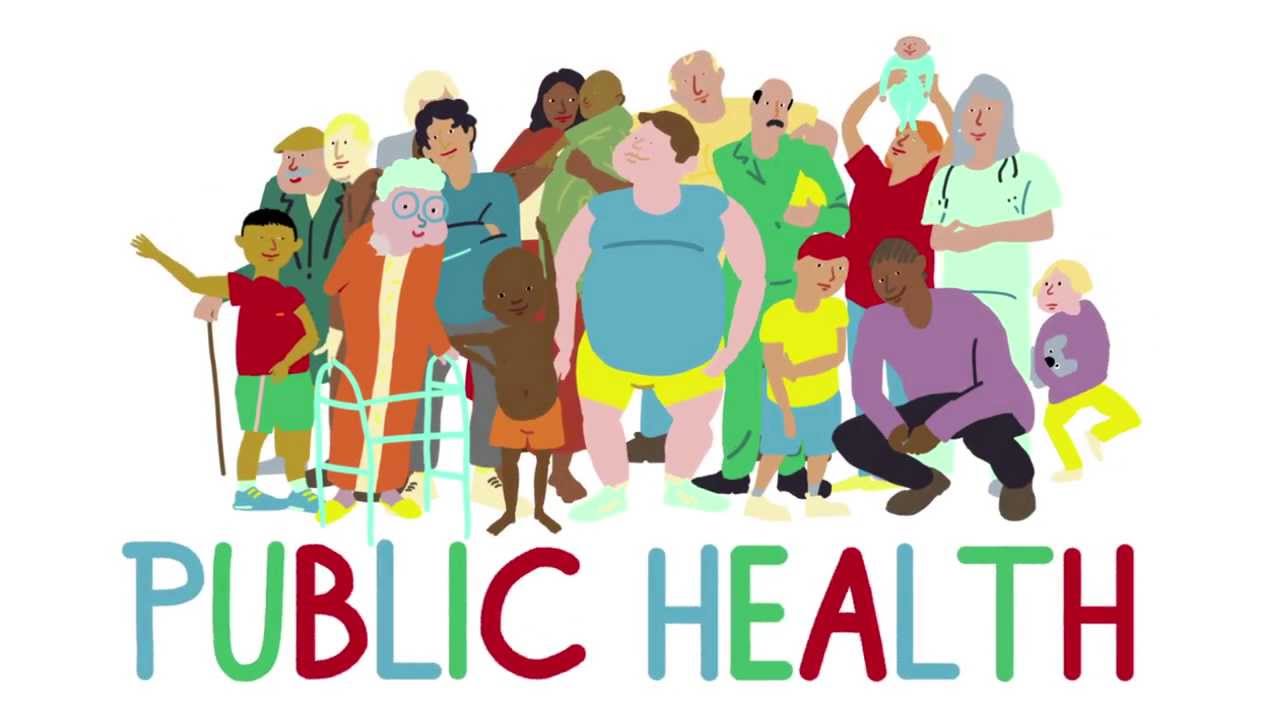

The use of qualitative research methods in public health research, such as program evaluations and clinical trials, is increasingly common.
This course of 5 ECTS is suited to anyone working as a health worker or researcher who is interested in learning about qualitative research methods. Some students take this unit to better understand published research. Others who have previously only studied quantitative research methods take this unit to gain an insight into different ways of thinking about research. For students who are planning a career or substantive research using these methods, this unit is an excellent starter, but they will in time probably require further training.
The learning objectives of this course are to introduce participants to the theories, concepts and practice of qualitative research and to enable them to develop the skills to use qualitative methodology in undertaking public health and primary care research. Participants will gain practical skills in employing qualitative research designs, data collection and analysis. In particular, participants will learn how to meaningfully incorporate qualitative research with other research methods and study designs.
- Teacher: Tamara Asanova Kudaibergenova