Topic outline
Course duration - 1 ECTS (25 hours)
The goal of the course is to increase knowledge on a variety of CKD‘s stages, complications. They will also learn about nutritional management there complications for apply that knowledge to their clinical practice
Topic 1. Chronic Kidney Disease (CKD)
Learning Goal: Understand the different stage of kidney disease, renal replacement therapy and nutritional recommendations for CKD
After the lesson you will be able to:
1. Define and describe the importance of the glomerular filtration rate (GFR) in the setting of compromised kidney function
2. Сalculate the GFR
3. Describe state pros and cons of various types of renal replacement therapies
4. Create different nutritional patterns for patients with CKD depending on individual needs
Plan of work:
I PART - basic information about CKD - 3 units (1 units class activity and 2 unit self-preparation)II PART - nutritional management of CKD - 3 units (1 units class activity and 2 unit self-preparation)
The lecture presents material on the definition of CKD, the stage of CKD, and links to a calculator. During the lecture, the student will need to complete 2 tasks: 1 task - calculate your own glomerular filtration rate, taking into account serum creatine, age and gender, and also determine whether there are signs of CKD; Task 2 - assess the degree of progression of CKD.
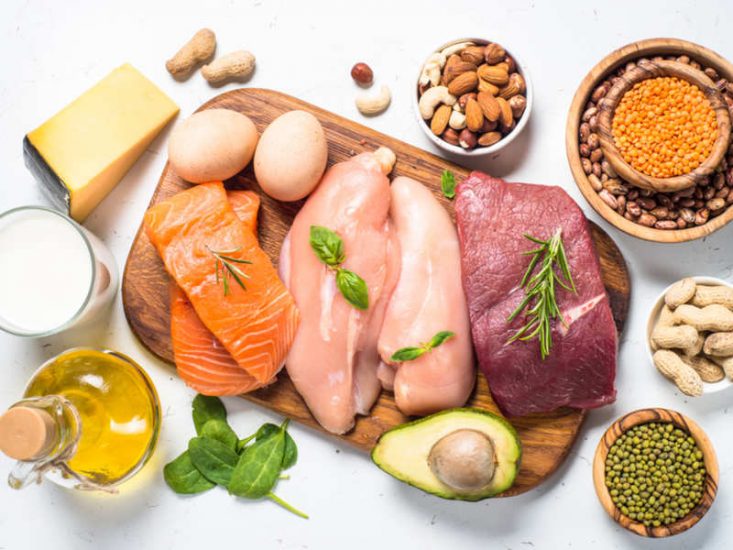
Topic 2. Protein Foods for the patients of the Chronic Kidney diseases (CKD1-5D)
Dear students!
Respond: Please, read the case of the patient in the case study below and submit a diet plan as a pdf file. You need to use the materials that are presented in Topics 2. When drawing up a plan, you can give preference to national dishes, drinks, according to the composition of food elements.
Deadline: Participate until xx.XX.XXXX.Grading: 0-49 points - unsatisfactory, 50-69 points - satisfactory, 70-89 - good, 90-100 - excellent.
Case study 1: A 52-year-old type 2 diabetic patient with CKD 5. Receives dialysis. GFR 9 ml/min/1.73 m2.
His fasting glucose is 310 mg/dL (70 mg/dL). His laboratory results showed blood urea nitrogen level of 34.4 mg/dL (8-23 mg/dL), serum creatinine level of 3.61 mg/dL (0.5-1.3 mg/dL), total protein level of 55 g/l (60-80 g/l). Proteinuria is 0.2 g/l.
Topic 3. Hyperphosphatemia in patients with the Chronic Kidney diseases (CKD1-5D)
Learning Goal: Understanding the role of phosphorus and low-phosphorus diets for the treatment of people with CKD (CKD1-5D)
After the lesson you will be able to:
- Describe and calculate daily requirement phosphorus for the patients of the Chronic Kidney diseases (CKD1-5D)
- Describe and calculate animal and vegetable phosphorus sources
- Create a low-phosphorus diets for patients of the Chronic Kidney disease
Module duration: 2,6 units (117 min) class activity and 4 units (180 min) work with guidelines and create a phosphorus-restricted dieta for patient with CKD
This file provides information about the causes of hyperphosphatemia.
This section presents material on the significance of hyperphosphatemia in patients with CKD, Dietary Therapy for Managing Hyperphosphatemia
Dear students!
Respond: Please, read the case of the patient below and submit a diet plan as a pdf file. You need to use the materials that are presented in Topics 2 and 3. When drawing up a plan, you can give preference to national dishes, drinks, according to the composition of food elements.
Case 2: A 55-year-old male patient with underlying type 2 diabetes mellitus, hypertension, and chronic kidney disease presented. GFR 7 ml/min/1.73 m2. His weight is 70 kg. The creatinine level is 14 mg/dL (normal range: 0.5-1.3 mg/dL), receives рemodialysis. His laboratory results showed blood urea nitrogen level of 80.4 mg/dL (8-23 mg/dL), serum creatinine level of 15.61 mg/dL (0.5-1.3 mg/dL), total protein level of 65 g/l (60-80 g/l), serum phosphate level of 9.3 mg/dL (2.5-5.5 mg/dL), total calcium level of 8.9 mg/dL (8.4-10.2 mg/dL), vitamin D (25(OH)D) level of 5.71 ng/mL (30-100 ng/mL) and parathyroid hormone level of 100 pg/ml (9-55 pg/mL).
Deadline: Participate until xx.XX.XXXX.
Grading: 0-49 points - unsatisfactory, 50-69 points - satisfactory, 70-89 - good, 90-100 - excellent.
Topic 4.Hyperkalemia and its diet correction in a treatment of patients with the Chronic Kidney diseases (CKD1-5D)
Learning Goal: Understanding homeostasis, excretion of potassium and dietary potassium is the focus of these recommendations with CKD
After the lesson you will be able to:
- Describe and calculate daily requirement potassium for the patients of the Chronic Kidney diseases (CKD1-5D)
- Describe and calculate potassium sources
- Create recommendation of the lower amount of potassium, diet on the clinical situations patients of kidney disease.
Module duration: 2,4 unit (108 min) class activity and 4 unit (180 min) work with guidelines and create a potassium-restricted diet for patient with CKDDear students!
Respond: Please, read case 3 of the patient below and submit a diet plan as a pdf file. You need to use the materials that are presented in Topics 2, 3, 4. When drawing up a plan, you can give preference to national dishes, drinks, according to the composition of food elements.
Deadline: Participate until xx.XX.XXXX.
Grading: 0-49 points - unsatisfactory, 50-69 points - satisfactory, 70-89 - good, 90-100 - excellent.Case 3: A 52-year-old type 2 diabetic patient with CKD 4 is referred to you for evaluation of hyperkalemia (6.9 mEq/L). GFR 23 ml/min/1.73 m2.
His fasting glucose is 310 mg/dL (70 mg/dL). His laboratory results showed blood urea nitrogen level of 34.4 mg/dL (8-23 mg/dL), serum creatinine level of 2.61 mg/dL (0.5-1.3 mg/dL), total protein level of 65 g/l (60-80 g/l), serum phosphate level of 6.3 mg/dL (2.5-5.5 mg/dL), total calcium level of 8.4 mg/dL (8.4-10.2 mg/dL), vitamin D (25(OH)D) level of 25.71 ng/mL (30-100 ng/mL) and parathyroid hormone level of 55 pg/ml (9-55 pg/mL). Proteinuria is 1.0 g/l.
Topic 5.The nutritional support of patients with the Chronic Kidney diseases (CKD1-5D)
Learning Goal: The nutritional support of patients with CKD
Рurpose:Create dietary recommendations taking into account material from topics 1-4 for patients with different stages of CKD
2,2 unit =99 min self-preparation
Dear students! This is the last case, which includes information from topics 1-4.
Respond: Please, read the case of the patient below and submit a diet plan as a pdf file. You need to use the materials that are presented in Topics 1, 2, 3, 4. When drawing up a plan, you can give preference to national dishes, drinks, according to the composition of food elements.
Deadline: Participate until xx.XX.XXXX.
Grading: 0-49 points - unsatisfactory, 50-69 points - satisfactory, 70-89 - good, 90-100 - excellent.Case 4: A 52-year-old type 2 diabetic patient with CKD 5, receives dialysis. Аnuria. His fasting glucose is 310 mg/dL (70 mg/dL). His laboratory results showed blood urea nitrogen level of 40.4 mg/dL (8-23 mg/dL), serum creatinine level of 4.21 mg/dL (0.5-1.3 mg/dL), total protein level of 45 g/l (60-80 g/l), serum phosphate level of 6.3 mg/dL (2.5-5.5 mg/dL), serum potassium of 6.3 mmol/l (3.5-5.5 mg/dL), total calcium level of 8.4 mg/dL (8.4-10.2 mg/dL), vitamin D (25(OH)D) level of 25.71 ng/mL (30-100 ng/mL) and parathyroid hormone level of 55 pg/ml (9-55 pg/mL).
Topic 6: Overview of nutrition. Nutrition Management for CKD
Learning Goal: To do analisis, create a personal nutritional treatment plan and nutrition coaching
This is the final lesson! This lesson will include a discussion of:
- student solutions of the Case 4;
- dietary approaches, depending on the stage of CKD, eating habits and national customs