Topic outline
WELCOME TO THE COURSE NUTRITION FOR SCHOOL-AGED СHILDREN!

The goal of the course is to present and examine the healthy nutrition of school-aged children, the main nutrients - proteins, fats, carbohydrates, water, minerals, vitamins, ballast substances that contribute to the proper development of children's bodies and are in accordance with the Сentral Asia introduced requirements for proper nutrition at this age.
The relevance of the problem is determined by the established need of organisms for substances that will be useful for them. Children and adolescents need a varied and healthy diet, which is necessary for their growth and development. Unbalanced nutrition at this age can be cause of eases at a later stage. During this time, many eating habits change, likes for one food and whims for another. Family, friends and the media (especially television) influence food choices and eating habits. School-aged children often tend to eat a greater variety of foods than, for example, their younger siblings.
Topic 1: Introduction to Healthy Nutrition
Relevance of the topic: Good nutrition is an important part of leading a healthy lifestyle. Combined with physical activity, diet for school aged children can help them to reach and maintain a healthy weight, reduce risk of chronic diseases (like heart disease and cancer), and promote overall health.
Aim of the topic: Give information to you about principles of healthy nutrition for school aged children on examples of Healthy Nutrition Pyramid and Healthy Nutrition Plate.
Topic 2: Proteins. Carbohydrates. Fats
Relevance of the topic: Carbohydrates are key components in the diet of the school-aged children, comprising sugars, starchy carbohydrates and dietary fiber. Fats are an essential part of the school-aged children diet and is important for good health. There are different types of fats, with some fats being healthier than others. Protein is one of the powerful nutrient. It is part of every living cell, and it plays a major role in the school-aged children body — from building body tissues to making important hormones. An adequate protein intake in the diet is important across the life cycle.
Aim of the topic: Give information to you about carbohydrates, fats and proteins their functions in the school-aged children body and the required amount per day.
Topic 3: Vitamins
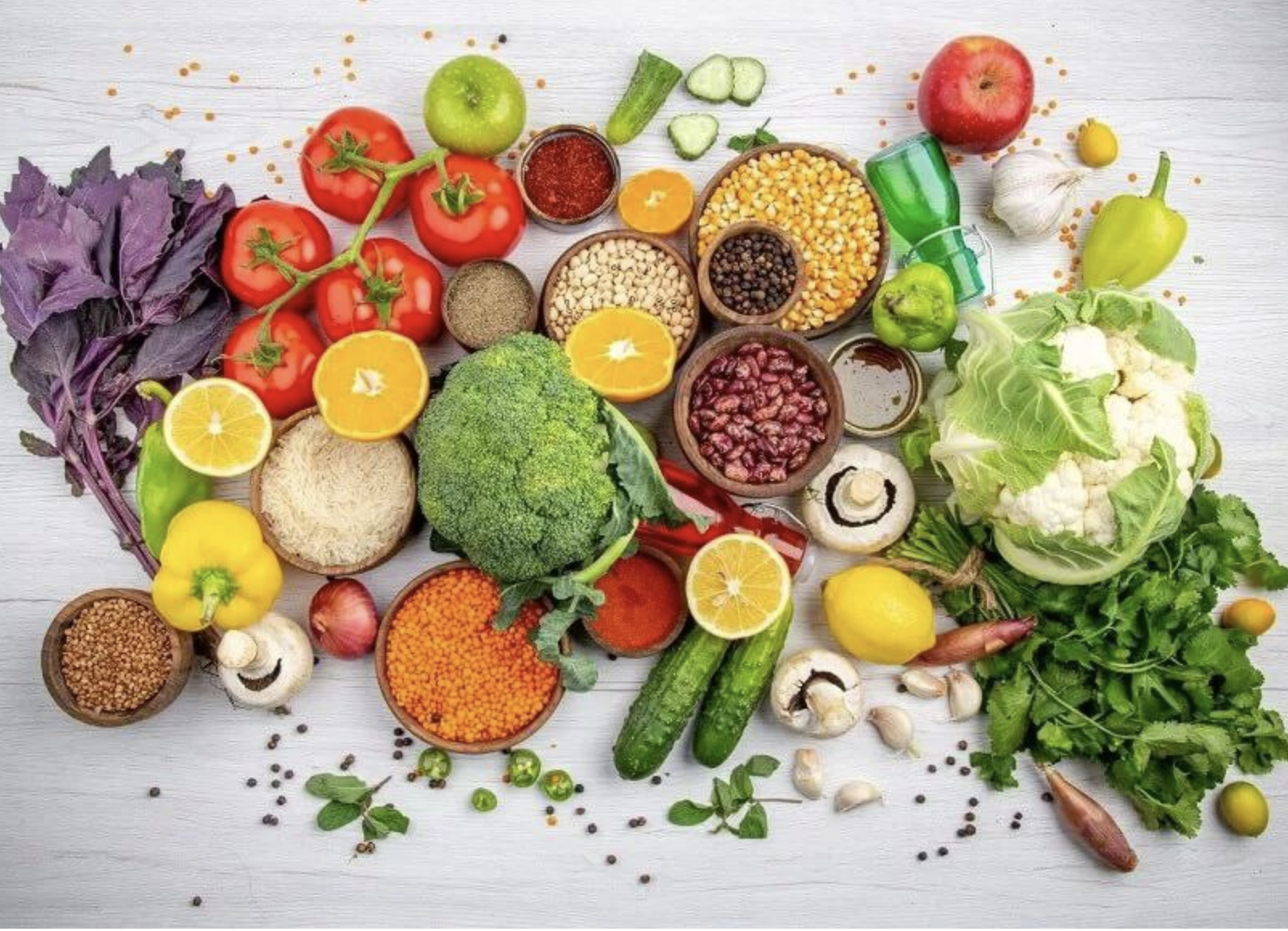
Vitamins are a group of chemically diverse organic compounds that an organism requires for normal metabolism. Apart from a few exceptions (e.g., vitamin D), the school-aged children body cannot synthesize vitamins on its own in sufficient amounts and must, therefore, ensure a steady supply through the diet. Vitamins are micronutrients that do not provide energy (like macronutrients) but instead have very specific biochemical roles. They can be coenzymes in various reactions (B vitamins, vitamins A and K) and/or antioxidants that protect the cell and its membrane from free radicals (vitamins C and E). They can also enable cell signaling (vitamin A) and gene transcription (vitamins A and E) or function as hormones (e.g., vitamin D).
Aim of the topic: Give information to you about water-soluble vitamins, main functions of each water-soluble vitamin in the school-aged children body, their sources and the required amount of vitamins per a day.
Topic 4: Minerals
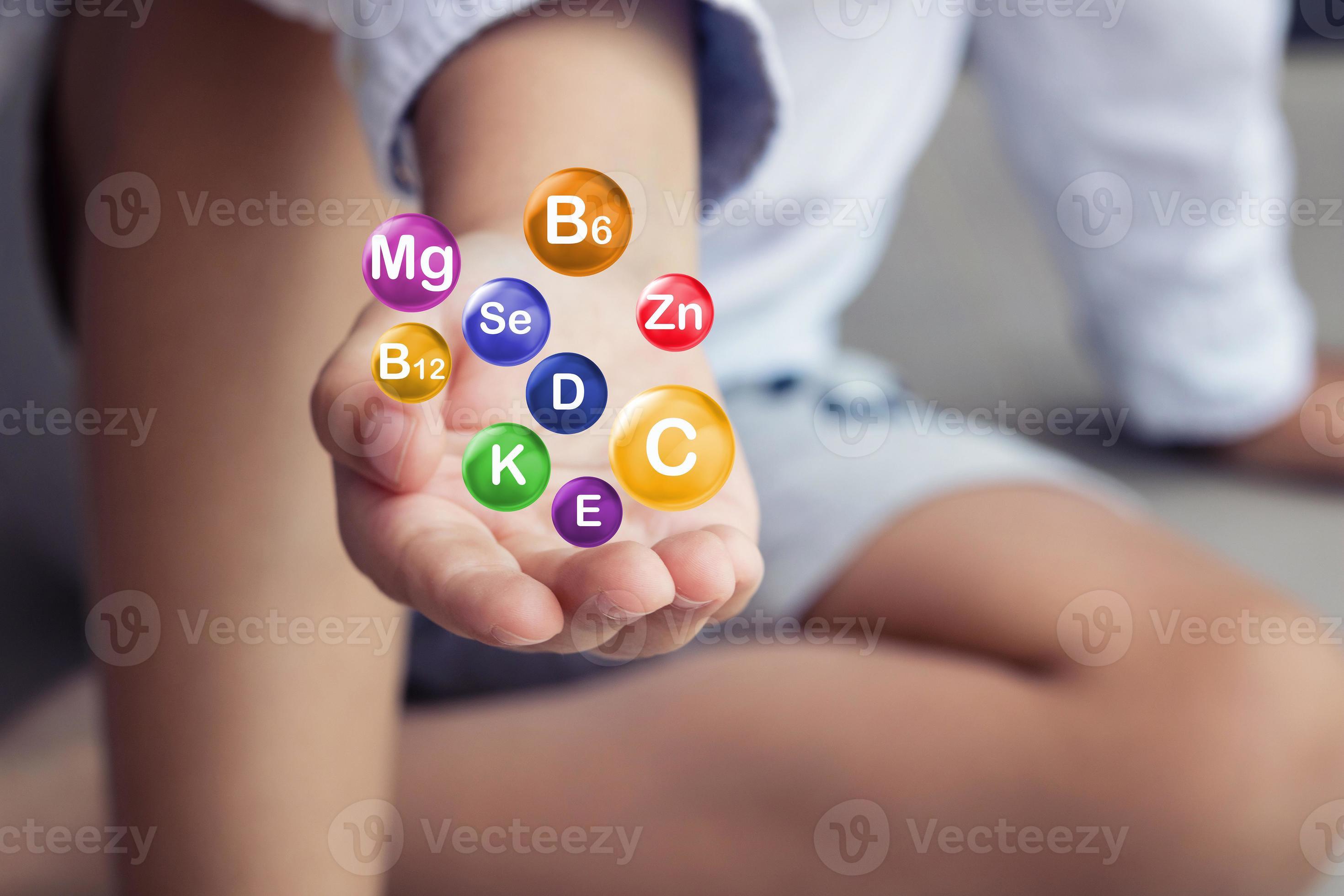 Relevance of the topic: Minerals are important for the school-aged children body to stay healthy.
Body uses minerals for many different jobs, including keeping bones,
muscles, heart, and brain working properly. Minerals are also important for
making enzymes and hormones.There are two kinds of minerals: macrominerals and
trace minerals. They include calcium,
phosphorus, magnesium, sodium, potassium, chloride and sulfur. The school-aged children body only need
small amounts of trace minerals. They include iron, manganese, copper, iodine,
zinc, cobalt, fluoride and selenium.
Relevance of the topic: Minerals are important for the school-aged children body to stay healthy.
Body uses minerals for many different jobs, including keeping bones,
muscles, heart, and brain working properly. Minerals are also important for
making enzymes and hormones.There are two kinds of minerals: macrominerals and
trace minerals. They include calcium,
phosphorus, magnesium, sodium, potassium, chloride and sulfur. The school-aged children body only need
small amounts of trace minerals. They include iron, manganese, copper, iodine,
zinc, cobalt, fluoride and selenium.Aim of the topic: Give information to you about macrominerals,main functions of each macrominerals in the school-aged children's body, their sources and the required amount of macrominerals per a day.