Topic outline
Metabolic Syndrom (3 ECTS)
 Welcome to this 10-day intensive course of "Advanced Nutrition and
Dietetics in Metabolic Syndrome," which is designed for post-diploma students in
nutrition, medical residents, master students, dietetics, or related health
fields. The course offers a deep dive into the complexities of managing
metabolic syndrome, focusing particularly on obesity and type 2 diabetes, two
of the most critical components of this syndrome. The program is designed not
only to impart theoretical knowledge but also to develop practical skills
essential for designing and implementing effective dietary strategies and
interventions.
Welcome to this 10-day intensive course of "Advanced Nutrition and
Dietetics in Metabolic Syndrome," which is designed for post-diploma students in
nutrition, medical residents, master students, dietetics, or related health
fields. The course offers a deep dive into the complexities of managing
metabolic syndrome, focusing particularly on obesity and type 2 diabetes, two
of the most critical components of this syndrome. The program is designed not
only to impart theoretical knowledge but also to develop practical skills
essential for designing and implementing effective dietary strategies and
interventions.Key Features of the Course:
Comprehensive Coverage: The syllabus encompasses a broad spectrum of topics, starting with a fundamental understanding of metabolic syndrome, delving into the specifics of obesity and diabetes management, and culminating in the practical application of learned concepts.
Evidence-Based Approach: The course is rooted in the latest research and clinical guidelines, ensuring that the recommendations and strategies taught are both current and evidence-based.
Practical Skill Development: A significant emphasis is placed on developing practical skills in nutritional assessment, meal planning, and dietary intervention. This hands-on approach is designed to equip students with real-world abilities that they can apply in their professional practice.
Interdisciplinary Learning: By incorporating elements such as behavioral change, lifestyle interventions, and the role of physical activity, the course adopts a holistic approach to managing metabolic syndrome.
This course is ideal for professionals who have completed a diploma in nutrition, dietetics, or a related field and are looking to specialize or update their knowledge in the area of metabolic syndrome. It's particularly beneficial for those who wish to focus on dietary and lifestyle interventions as a means to manage and mitigate the impacts of this syndrome.
Upon completion of this course, students will be well-versed in the complexities of metabolic syndrome and its dietary management. They will be able to apply nutritional and diet planning principles effectively, provide evidence-based recommendations, and develop comprehensive meal replacement strategies tailored to individuals with metabolic syndrome.The goal of the course is to equip students with a profound understanding and practical expertise in the application of nutritional science and dietetics for the effective management and treatment of metabolic syndrome, focusing on obesity and type 2 diabetes, through comprehensive education in core concepts, evidence-based dietary interventions, personalized meal planning, and strategic meal replacement methodologiesTasks
1. Students will comprehend the basic concepts of metabolic syndrome and the role of diet in metabolic conditions;
2. Students will be able to understand and apply nutrition and diet planning in metabolic – changes during obesity and type 2 diabetes patents
3. Students will be able to provide evidence-based recommendations for application of dietary modifications and interventions in individuals with diseases. (obesity and diabetes)
4. Students will be able to create and apply meal replacement strategies in a various comprehensive programs (During metabolic syndrome)Lesson 1. Introduction to Metabolic Syndrome
Dear student, after completing the lesson 1, you will know:- What is metabolic syndrome and its components.
- Insulin resistance and obesity as the main components of the metabolic syndrome.
- The role of replenishment in the development of metabolic syndrome
- Defining metabolic syndrome: Criteria and components
- Overview of dietary influences on metabolic health
- Epidemiology and public health impact
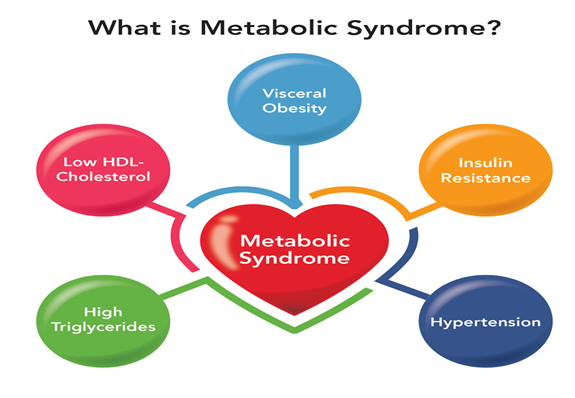
Metabolic syndrome,
According to the American Heart Association, metabolic syndrome is a group of symptoms characterized by having at least three or more of the following factors:
- High blood sugar
- High blood pressure
- High triglycerides (a type of fat)
- Low levels of high-density lipoprotein (good) cholesterol
- Abdominal obesity (large waist size or an apple-shaped body)
Metabolic syndrome greatly increases the risk of type II diabetes, nonalcoholic fatty liver disease, stroke, and cardiovascular disease
More on Epidemiology of Metabolic Syndrome
4 Meanwhile, the global prevalence of type 2 diabetes increased from 108 million in 1980 to 422 million in 2014, according to the World Health Organization. Like obesity, type 2 diabetes also tends to occur more in poor and middle-income countries than in high-income countries.Actual global data on metabolic syndrome is elusive because it is harder to measure. Yet, if the current estimate that it is three times more common than type 2 diabetes is correct, it would be safe to assume that over a quarter of the world’s population is affected by metabolic syndrome.
What is the root cause of metabolic syndrome?
Insulin resistance
Insulin resistance occurs when the cells become less sensitive to a hormone called insulin.
Normally, the pancreas produces insulin in response to increased blood sugar levels post meals. This insulin signals the cells to pull sugar from the bloodstream, which can be either used for energy or stored for later use.
With insulin resistance, also known as impaired glucose tolerance, the cells become less sensitive to the effects of insulin, thus increasing the blood sugar levels and eventually the risk of diabetes and other complications.
Obesity
Obesity is a significant risk factor for metabolic syndrome, but adults at a healthy weight are at risk too.
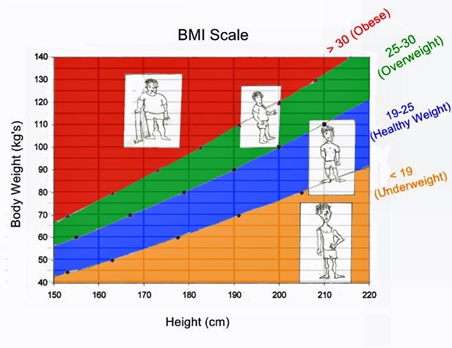
A large study has also reported that metabolic syndrome is seen in up to 8% of adults of normal weight (body mass index [BMI] lower than 25), up to 32% in overweight adults (BMI 25 to 30), and up to 71% in obese adults (BMI higher than 30).
In addition, excessive fat tissue increases the production of certain chemicals that can be harmful in large amounts—one of these is clusterin, a protein that plays a key role in cell death.
Increased waist circumference (>102 cm/40 inches men and >88 cm/34 inches women)
·Body mass index (BMI)
Your risk for having metabolic syndrome generally increases as you age and when your body mass index (or BMI) increases.
Inflammation
Some studies have linked chronic, low-grade inflammation with metabolic syndrome.
Obese people tend to have greater production of inflammatory chemicals called cytokines and C-reactive protein in the fat cells, which has been linked with increased cardiovascular risk. Other risk factors for chronic inflammation include emotional stress, older age, and a Western diet
Obesity is known to be associated with low-level inflammation. The inflammation occurs first in the adipocytes, with an increase in tumor necrosis factor-alpha (TNF-α).6 TNF-α (marker of inflammation) stimulates a more general inflammatory state that can ultimately result in insulin resistance and problems with blood pressure.

Management includes the following:
1. Modifying your diet
2. High Fiber diet – Increasing in the diet to more than 30 grams daily, such as eating foods like beans, green leafy vegetables, and fruits
3. Low-salt and low-fat diet
4. Diet high in whole grains, nuts, vegetables, and olive oil or the Mediterranean diet
5. Quitting smoking and consuming alcohol in moderation
6. Exercising more than 30 minutes per day on at least 5 days a week
7. Taking medicine and drugs to control blood sugar or lower the blood pressure
Please complete the orientation quiz for Lesson 1 before you continue with the next lesson. You need to answer ALL questions correctly to pass the quiz successfully! Don't worry! You can repeat the quiz as often as you like!
Deadline: The quiz will be available until: xx.xx.xxx
Lesson 2. Obesity and Diet
Dear student, after the lesson, you will have to be able to:- recall obesity and its effect on the development of metabolic syndrome.
- to learn the role of insulin resistance in the development of metabolic syndrome.
- to know about nutrition in obesity
- Pathophysiology of obesity in metabolic syndrome
- Nutritional interventions for weight management
- Role of insulin resistance and obesity
Obesity is a complex disease that involves an excessive amount of body fat. It is a medical problem that increases your risk of other diseases and health problems, such as heart disease, diabetes, high blood pressure and certain cancers.
Dear student, after the lesson, you will have to be able to:- recall obesity and its effect on the development of metabolic syndrome.
- to learn the role of insulin resistance in the development of metabolic syndrome.
- to know about nutrition in obesity
Even though the cause of obesity is complicated, dietary habit or lifestyle plays an important role in developing obese conditions.
In the presence of obesity, adipose tissue produces inflammatory cytokines in excess, whereas secretion of adiponectin is reduced highlighting the interplay between obesity and inflammation (6).
Simply defined, obesity is an excess of adipose tissue in relation to lean body mass. Clinicians evaluate obesity in adults by calculating the Body Mass Index (BMI) and obtaining a waist circumference. The BMI closely correlates with excess fat and is calculated by dividing measured body weight in kilograms by the height in meters squared. A healthy adult BMI ranges from 18.5 to 24.9 while an overweight adult’s BMI ranges from 25 to 29.9. Class 1 obese adults have BMIs in the 30-34.9 range while Class 2 obese adults have BMIs ranging from 35-39.9 Class 3 adults are morbidly obese with BMIs greater than 40.1 Waist circumference is also used by clinicians to identify and classify obesity.
A waist circumference greater than 35 inches (88 cm) in female adults and > 40 inches (102 cm) in male adults indicates excessive body fat in the form of central obesity. Central obesity is a known risk factor for metabolic syndrome, heart disease, stroke, type 2 diabetes mellitus, some cancers and early death.1,2 Numerous methods exist to treat and manage obesity among adults including behavioral weight treatment, medical nutritional therapy, cognitive behavioral therapy, surgery or some combination thereof. Current evidence suggests using a comprehensive treatment approach which benefits from the breadth of knowledge and expertise across disciplines in the treatment and management of adult obesity
Pathophysiology of obesity and metabolic syndrome.
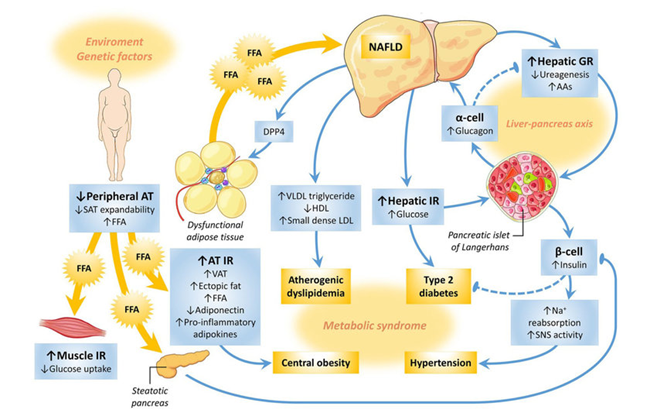
INSULIN RESISTANCE AND THE METABOLIC SYNDROME
Researchers have proposed several mechanisms for the development of insulin resistance and the metabolic syndrome. These include: Genetic defects in proteins involved in the insulin action cascade, increased levels of visceral adiposity, free fatty acid levels (FFA), and chronic inflammation. Insulin resistance in adipose tissue, regardless its molecular or environmental basis, causes decrease in FFA uptake by fat cells and/ or increase in FFA release from fat cells. Under the insulin resistant state, there is impaired glucose handling by skeletal muscle and adipose tissue. This impaired glucose intake is a significant contributor to the hyperglycemia and associated vascular endothelial damage observed in insulin resistant individuals. Additionally, insulin is important in the signaling for nitric oxide release from vascular endothelial cells, resulting in vasodilation and reduced vascular resistance, which reduces blood pressure. Thus, there is a strong associations between the presence and extent of insulin resistance with hypertension due to increased vascular resistance and impaired glucose regulation.
Insulin resistance describes a reduced effect of insulin on its target tissues.
This reduced effect may be limited to some tissues while being preserved in others and can also be specific to part of the insulin signal transduction pathway but not to other parts of it within the same tissue. For example, insulin receptors are widely distributed in the body in multiple tissues such as the traditional target organs liver and muscle as well as in tissues such as the kidney and the ovaries. In skeletal muscle, insulin’s main role is to promote trafficking of the glucose transporter GLUT-4 to the cell membrane in order for glucose to enter into the myocyte. Muscle insulin resistance thus manifests as lower GLUT-4 expression on the membrane in response to insulin leading to reduced glucose uptake. Insulin resistance within the signal transduction pathway may be present in muscle while being entirely normal in the ovary. Within the liver, resistance may be present in in segments of the pathway relevant to glucose metabolism (such as suppression of glycogenolysis and gluconeogenesis) but not in those related to lipid metabolism and proliferation . This will manifest as reduced suppression of hepatic glucose production along with an increase of de-novo lipogenesis and VLDL production. In adipose tissue, the effect of insulin is to suppress lipolysis and adipose insulin resistance manifests as accelerated lipolysis.
Lifestyle changes and nutritional habits, such as irregular meal patterns; mainly skipping breakfast, consumption of foods and beverages of low nutritional value and sub-optimal intake of dairy products, fruits and vegetables, intake of refined carbohydrates such as sugar sweetened soft drinks are all contributing factors to the development of obesity.
PLEASE watch the lecture for gain more understanding:
I recommend reading additional literature
Aim: Discuss a use case with your fellow students
Task: Read the use case below and contribute your answers in a new Topic. Click on Add discussion topic, write and save your contribution. You can see the contributions of your colleagues only after you have posted your contribution!
In your contribution:
- Suggest your options for a pathological condition
- Describe your best tactics of action
Deadline: Please complete participate in the discussion until: xx.xx.xxxx
Use case:Patient E., 56 years old, suffers from arterial hypertension (BP 180/100 – 150/90 mmHg). Blood pressure began to rise at the age of 50 with the development of postmenopause. Over the past five years, I have gained 20 kg in weight.
• Objectively: increased nutrition. Height 156 cm, weight 90 kg. The body mass index is 40 kg/m2. She has abdominal obesity. Waist size 103 cm, hip size 108 cm. The condition is satisfactory. The skin is clean. There is no swelling. In the lungs, breathing is vesicular, there are no wheezes. The heart tones are muted, the rhythm is correct. Heart rate 76 per minute The belly is soft, painless. The liver is at the costal edge.
• Additionally:
total cholesterol 8 mmol/l;
triglycerides 2.5 mmol/L;
HDL cholesterol 0.9 mmol/L;
fasting blood glucose 6.1 mmol/l; 2 hours after taking 75 g of glucose 10.0 mmol/L.
Microalbuminuria: 250 mg/day.
ECHOCARDIOGRAPHY: no valvular pathology was detected, the heart cavities were not expanded, the left ventricular myocardial mass index was 121 g/m2, signs of diastolic dysfunction, PV 62%.
Please complete the orientation quiz for Lesson 2 before you continue with the next lesson. You need to answer ALL questions correctly to pass the quiz successfully! Don't worry! You can repeat the quiz as often as you like!
Deadline: The quiz will be available until: xx.xx.xxx
Chose a topic for the final project with real patients
General Rules and Requirements for Final Projects: Create a dietary plan for metabolic syndrome patients with different sets of health conditions by applying evidence-based research. Work with patients, if not found work with students.
Topic Selection and Proposal: Select a topic related to the diagnosis of your patients or potential patients. Create a dietary plan that involves various strategies focused on improving lifestyle habits and addressing individual risk factors
Deadline for Topic Selection: Students must select their topic by a 3rd week and submit a brief proposal outlining their research question, objectives, and methodology by week 4.
Proposal Approval: Proposals must be approved by the instructor or a review committee before proceeding.
Research and Methodology: Ethical considerations
Introduction: Clearly define the research question and its significance.
Literature Review: Provide a comprehensive overview of existing research relevant to the topic.
Methodology: Describe the methods used for data collection and analysis.
Findings and Analysis: Present and analyze the research findings.
Discussion: Interpret the findings in the context of the research question and existing literature.
Conclusions and Recommendations: Summarize key findings and suggest practical applications or areas for further research.
Presentation and Format: Establish a minimum and maximum word count or page number. 5 pages
Formatting Guidelines: formatting requirements (e.g., font size, type, margin sizes, citation style).
Tables and Figures: Allow the inclusion of tables, figures, and appendices to support findings. Provide guidelines for formatting these elements.
Submission and Evaluation Criteria:
Submission Deadline: Clearly state the final project submission deadline.
Evaluation Criteria: Projects will be evaluated based on research depth, analysis quality, originality, adherence to ethical guidelines, presentation, and adherence to the project requirements.
Grading Rubric: Provide a detailed grading rubric outlining how points are allocated for each section of the project.
Peer Review: complete peer review, give each other comments, recommendations, and evaluation by week 6 or a
short presentation of the final project
Q&A Session: Include a question-and-answer session following the presentation to allow for discussion and feedback.
Optional: Incorporate a peer review process where students provide feedback on each other's drafts before the final submission.
Oral Presentation: Require an oral presentation of the project findings to the class or a review panel on day 10. Specify the duration and format of the presentation.
Academic Integrity:
Plagiarism: Strictly prohibit plagiarism and require all sources to be properly cited. Specify the consequences of academic dishonesty.
Lesson 3. Diabetes and Nutrition
Dear student, after completing the lesson 3, you will be able to:- Understand the role of diet in type 2 diabetes
- Count Carbohydrate and glycemic index / load
Diabetes mellitus (DM) is a pathologic condition classified by metabolic disorder caused by chronic hyperglycemia that results in a number of pathologies including microvascular and macrovascular complications such as retinopathy, neuropathy, nephropathy, ischemic heart disease, cerebrovascular disease and peripheral vascular diseases[2,3]. Classically, DM has two etiologies that are classified as either type 1 or type 2. The hyperglycemia in type 1 DM is a direct result of destruction of the pancreatic beta cells; whereas, the hyperglycemia seen in type 2 DM is a result of insulin resistance and subsequent pancreatic beta cell dysfunction[4-6].
Dear student, after reading the information you should know:
1. have an understanding of both diabetes mellitus and the condition of prediabetes in the development of metabolic syndrome
2. know the principles of treating diabetes mellitus
3. be able to calculate the glycemic index
4. have a general understanding of the principle of nutrition for patients with diabetes mellitus
Pre-diabetic state “the metabolic syndrome”
Although the ADA guidelines for a clinical diagnosis of type 2 diabetes require a random blood sugar greater than 200 mg/dL or fasting blood sugar greater than 125 mg/dL, current evidence suggests that the body undergoes significant metabolic changes prior to the development of frank diabetes.
These changes include the following: Insulin resistance and the associated hyperinsulinemia and hyperglycemia, vascular endothelial dysfunction partially due to inappropriate release of cytokines from adipose tissue.
Clinically, the metabolic syndrome has several definitions but is generally diagnosed in individuals presenting with 3 of the criteria : Central obesity, hypertriglyceridemia, dyslipidemia, hypertension, and fasting hyperglycemia. Current population studies have found that the metabolic syndrome affects a large number of individuals.
One study in particular found its prevalence to be roughly 22% of adults in the United States, more significantly, an age-dependent increase in prevalence was also found. Furthermore, a more recent study found that prevalence increased to roughly 34.5%. Of note, the presence of the metabolic syndrome increases an individual’s risk of developing type 2 diabetes, cardiovascular disease, and all-cause mortality from cardiovascular disease.
Adult treatment panel III criteria for diagnosis of the metabolic syndrome1. ≥ 3 of the following Fasting glucose ≥ 6.1 mmol/L (110 mg/dL) HDL cholesterol Male: < 1.0 mmol/L (40 mg/dL) Female: < 1.3 mmol/L (50 mg/dL) Triglycerides ≥ 1.7 mmol/L (150 mg/dL)
The Link Between Diet and Type 2 Diabetes
Obesity and excessive weight are significant risk factors affecting type 2 diabetes. According to research, obesity accounts for an 80 to 85% higher risk of developing type 2 diabetes. This relationship between diabetes and weight emphasizes the significance of consuming a nutritious diet to stay healthy. Remember, what you eat directly impacts your blood sugar levels.
Carbohydrates (especially those that absorb rapidly) can drastically increase blood sugar levels. This fact is particularly true for those with type 2 diabetes. The reason for this is their bodies struggle to regulate blood sugar effectively.Objectives in the management of diabetes are to: 1. Reduce the sugar in blood and urine 2. Maintain ideal body weight 3. Treat the symptoms 4. Reduce serum lipids 5. Provide adequate nutrition 6. Avoid acute complications 7. Prevent vascular complications Diabetic diet need not be a complete deviation from the normal diet. Indian diets are generally high in carbohydrate and low in fat, with carbohydrates providing 60 - 65% of total calories and fat providing 15 - 25% of total calories. The rest of the calories 15-20% is derived from proteins. The nutrient content of a diabetic diet has to be planned based on the age, sex, weight, height, physical activity and physiological needs of the patient. Diet for a diabetic can be planned using 1. Food exchange lists and 2. Glycaemic index of foods. 1. Food exchange lists The diet for a diabetic patient is prescribed in terms of exchange lists. Food exchange lists are groups of measured foods of the same caloric value and similar protein, fat, carbohydrate and can be substituted one for another in a meal plan. None of the exchange groups can itself supply all the nutrients needed for a balanced diet. A balanced diet is one in which all the five food groups are included in required amounts in order to meet the recommended dietary allowances for individuales.
The food exchange lists help the patient to restrict the foods intake according to the insulin prescription so that hyperglycemia and hypoglycaemia can be prevented and to have variety in the diet.
2. Glycaemic Index The glycaemic index indicates the extent of rise in blood sugar in response to a food in comparison with the response to an equivalent amount of glucose. The ability of the food item to raise the blood sugar is measured in terms of glycaemic index. Glycaemic Index = (Blood glucose area of test food/Blood glucose area of reference food) x 100 Factors that affect the glycaemic response to food are 1. Rate of ingestion of food 2. Food form 3. Food components - fat content, fibre content, protein content. 4. Method of cooking and processing food. The glycaemic index is therefore useful in planning diet for diabetics. Cereals like wheat, rice, root vegetables like potato and carrot have a high glycaemic index (65 - 75%). Fruits have an intermediate glycaemic index (45 - 55%) and legumes have a low glycaemic index (30 - 40%) and are hence beneficial to diabetics.
Moreover, foods with a high glycemic index, such as white bread, sugary beverages, and processed snacks, can also increase blood sugar levels. Therefore, making it challenging to manage diabetes.
In contrast, low glycemic index food items like vegetables, fruits, and whole grains digest more slowly and cause blood sugar levels to rise gradually. Thus, a healthy diet is the key to controlling type 2 diabetes. A healthy meal includes whole grains, lean meats, healthy fats, and various veggies and fruits.The ability of the food item to raise the blood sugar is measured in terms of glycaemic index. Since the blood sugar level depends mainly on the intake of carbohydrate it is important to distribute the intake of carbohydrates. The total amount of carbohydrates is divided in to 4-5 equal parts. One third (33%) is served during lunch, one third (33%) during dinner. Of the remaining one third (33%), 25% is served during breakfast and 9% at tea or bed time. Energy The calculated calorie requirement should allow the patient to lose or gain weight as required and maintain body weight 10% lower than the ideal / desirable body weight. Dietary calories should be 60 - 70 per cent from carbohydrate 15 - 20 per cent from protein and 15 - 25 percent from fat. The recommended calorie intake for a diabetic based on body weight is as follows : over weight individual - 20 kcal / kg.wt/day. ideal weight - 30 kcal / kg.wt./day. underweight - 40 kcal / kg.wt/ day.
Carbohydrate High carbohydrate high fibre diet is given as it improves insulin binding. Complex carbohydrate found in cereals and pulses are given. These are then broken down into simple sugars before they are absorbed from the gut. Refined carbohydrates such as sugar, honey, jaggery and jam contain simple sugars which are directly absorbed are not recommended for diabetics, as they cause a rapid rise in blood sugar. Sugar present in fruits and milk raise the blood sugar at a slightly lower rate. Whole apple is better than apple juice because of its high fibre content and low glycaemic index. Protein i
t is recommended that 15 - 20% of total calories be derived from proteins. Proteins supply essential amino acids needed for tissue repair. Proteins do not raise blood sugar during absorption and do not supply as many calories as fats. In patients with NIDDM, consumption of protein along with carbohydrate will lower the blood glucose concentration. One gram of protein per kilogram body weight is adequate. Fat Low fat diet increases insulin binding and also reduces LDL and VLDL levels and reduces the incidence of atherosclerosis which is more common in diabetics. Fat content should be 15 - 25% of total calories and higher in polyunsaturated fatty acids. Vitamins and Minerals These are protective factors which are essential for the body. They are present in fruits, and vegetables. Dietary fibre Intake of 25g of dietary fibre per 1000 calories is considered optimum for a diabetic. High fibre foods have a low caloric value and low glycaemic index and therefore diabetics should consume such foods liberally. Fibre present in vegetables, fruits, legumes and fenugreek seed is soluble in nature and more effective in controlling blood sugar and serum lipid than insoluble fibre present in cereals. High fibre diets
1. Promote weight loss 2. Lower insulin requirements 3. Decrease serum cholesterol and triglyceride values and lower blood pressure. Other dietary guidelines to be remembered are.
1. Timely intake of in between meal snacks should be stressed to avoid hypoglycaemia. 2. Patients should avoid fasting and feasting. 3. Alcohol , makes a person obese and stimulates appetite. The diabetic should avoid alcohol. Diabetic Diet This diet is as close to the normal diet as possible so as to meet the nutritional needs and the treatment of the individual patient. This diet is slightly low in carbohydrates, but adequate in other food principles.
If you are interested, you can read additional literature by following the link below:
- Effect of diet on type 2 diabetes mellitus A review File 315.1KB PDF document
Dear students!
Respond: Please, read the case of the patient in the case study below and submit your answers to the following task:- Calculate the patient’s BMI, indicate normal values and pathology?
- What are the norms for waist size in women and men?
- What does an increased waist size indicate?
- What is your final diagnosis?
- What treatment does the patient require?
- Develop a rough meal plan
Grading: 0-49 points - unsatisfactory, 50-69 points - satisfactory, 70-89 - good, 90-100 - excellent.
Use case: Patient G., 54 years old, was admitted to the clinic with complaints of headache, dizziness, blurred vision, drowsiness, and mood swings.
From the anamnesis it is known that he has been suffering from arterial hypertension since the age of 48, after menopause, with maximum blood pressure values of 180/100 mm Hg. Art. Since that time, he has noted an increase in body weight of 25 kg. She does not receive constant antihypertensive therapy. Over the past year, he has been experiencing sleep disturbances with frequent and long periods of sleep apnea, compensated by daytime sleepiness. Notes a tendency towards depression. Leads a sedentary lifestyle. I could not tolerate AMI and stroke.
Family history: mother, 74 years old, suffers from coronary artery disease, arterial hypertension, and type 2 diabetes mellitus. My brother died at the age of 50 from stroke.
On examination: Condition is satisfactory. Increased nutrition. Height 156 cm, weight 94 kg. Waist circumference – 111 cm. Hip circumference – 108 cm. Skin and visible mucous membranes are of normal color and moisture. There is no peripheral edema. Lymph nodes accessible to palpation are not enlarged. The thyroid gland is unremarkable. In the lungs, breathing is vesicular, there are no wheezes, respiratory rate is 16 per minute. On percussion, the boundaries of the relative dullness of the heart are expanded to the left. Heart sounds are muffled, rhythmic, heart rate - 90 per minute, accent of the second tone in the second intercostal space to the right of the sternum, blood pressure - 170/100 mm Hg. The abdomen is soft, painless on palpation in all parts. The liver and spleen are not enlarged. The effleurage symptom is negative on both sides.
Clinical blood test: hemoglobin 157 g/l; red blood cells 5.0x10¹²/l; platelets 220x109/l; leukocytes 6.8x10⁹/l; ESR 15 mm/hour.
Biochemical blood test: total protein 78 g/l; urea 7.0 mmol/l; creatinine 96 µmol/l; bilirubin total 16 µmol/l; total cholesterol 8.2 mmol/l (3.0-5.0 mmol/l); LDL 4.5 mmol/l (2.2-4.8 mmol/l); HDL 0.8 mmol/l (not less than 1.42 mmol/l); triglycerides 3.5 mmol/l (1.7 mmol/l); glucose 6.0 mmol/l (3.3-5.5 mmol/l); uric acid 620 µmol/l (150-350 µmol/l).
Blood glucose concentration 2 hours after a glucose load: 10.5 mmol/l. In daily urine: albumin 280 mg/day.
Please complete the orientation quiz for Lesson 3 before you continue with the next lesson. You need to answer ALL questions correctly to pass the quiz successfully! Don't worry! You can repeat the quiz as often as you like!
Deadline: The quiz will be available until: xx.xx.xxx
Lesson 4. Nutrients and Nutritional Assessment
After this lesson you will be able to:1. be able to explain what macronutrients and micronutrients are
2. be able to assess the quality of nutrition based on the saturation of macronutrients and micronutrients
3. be able to describe how nutritional imbalance occurs
4. know what nutritional imbalance underlies metabolic syndrome
3 hours and 30 minutes are allocated to attend this lesson, to familiarize yourself with the content, and complete assignments, 2 hours of which are allocated for self-preparation.Our bodies contain similar nutrients to the food we eat. Therefore, depending on what kind of food we are consuming and the contents of that food, we are affecting our nutrient levels and over all, our health. On average, the human body is 6% minerals, carbohydrates, and other nutrients, 16% fat, 16% protein, and 62% water. Of course these percentages vary for every individual person depending on diet and lifestyle. Our bodies contain similar nutrients to the food we eat.
Macronutrients are the nutrients that human body needs in large amounts, which include fat, carbohydrates, and protein. Micronutrients are vitamins and minerals needed by the body in very small amounts. However, their impact on a body’s health are critical, and deficiency in any of them can cause severe and even life-threatening conditions.
Please, first review your knowledge about macronutrients: watch the following videothen, watch short and interesting information about micronutrients in this videowatch this video carefully to understand the meaning of nutritional imbalance in metabolic syndromeand watch the nutritional status assessment video- reading materials on the topic of the lesson
Dear Students!
The purpose of the proposed material is to study in more detail the difference between macronutrients and micronutrients, as well as to understand the basics of metabolic syndrome
Task: please read the materials and try to understand the basic of nutritional imbalance in metabolic syndrome. Please note that the forum will contain questions and answers which you will find by reading these materials.
Respond: please read the posts of your fellow students and add something missing or ask a question or discuss their input.
Deadline: Participate until xx.XX.XXXX.
Grading: Pass or fail
reading materials on the topic of the lesson
The Purpose Understand the main key points of the lesson.
Task: please read the presentation on metabolic syndrome. Write down any questions you have in the forum. Also, try to answer questions asked by your colleagues
Deadline: Participate until xx.XX.XXXX.
- Forum for questions that arise after reading the lesson materials
The purpose To help each other learn the content of this lesson
Tasks: If you were the teacher of this lesson and wanted to ask a "difficult" question during the exam, which question would you ask? Choose a difficult question and do not repeat the questions of your fellow students.Reply: Answer at least one question and add some information to one answer of one fellow student.
Deadline: Participate until xx.XX.XXXX.
Grading: Pass - if you asked key questions about the lesson or if you answered 2 questions from your colleagues sufficiently
Lesson 5. Dietary Fats and Carbohydrates
After this lesson you will be able to:1. Understand what dietary fats and carbohydrates are, and what groups they are divided into.
2. Explain the role of different types of fats and carbohydrates in metabolic syndrome.
3. Define disorders in metabolism associated with dietary fats and carbohydrates.
4. Describe the strategies for optimizing macronutrient intakeThere are four major dietary fats in food:
The four types have different chemical structures and physical properties. The “bad fats,” saturated and trans fats, tend to be more solid at room temperature (like butter). Monounsaturated and polyunsaturated fats tend to be more liquid (like canola oil). Fats can also have different effects on the cholesterol levels in your body. A diet high saturated fats and trans fats raise bad cholesterol (LDL) levels in your blood. Eating an overall healthy dietary pattern that is higher in monounsaturated and polyunsaturated fats can lower bad cholesterol levels. Consuming high levels of calories – regardless of the source – can lead to weight gain or being overweight. Consuming high levels of saturated or trans fats can also lead to heart disease and stroke. Health experts generally recommend replacing saturated fats and trans fats with monounsaturated fats and polyunsaturated fats – while still maintaining a nutritionally adequate diet.
Dietary carbohydrates constitute a group of chemically defined substances with a range of physical and physiological properties and health benefits. As with other macronutrients, the primary classification of dietary carbohydrates is based on chemistry, that is, in the character of individual monomers, degree of polymerization (DP), and type of linkage
Watch this video for more information about fats videoAnd this video for a better understanding of the importance of fats and their types in nutritionNow watch these videos about dietary carbohydrates and their metabolism- Lecture about dietary fats and carbohydrates
Please complete the orientation quiz for Lesson 5 before you continue with the next lesson. You need to answer ALL questions correctly to pass the quiz successfully! Don't worry! You can repeat the quiz as often as you like!
Deadline: The quiz will be available until: xx.xx.xxx
Lesson 6. Meal Planning and Replacement Strategies
After this lesson you will be able to:- Explain the principles of meal planning in metabolic syndrome
- Designing effective meal replacement programs
- Develop personalized diet plans
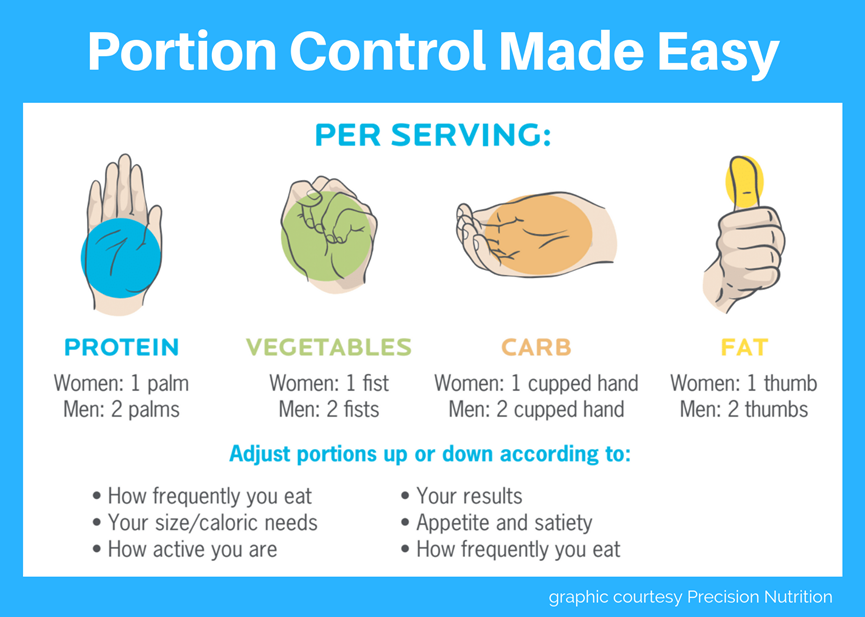
- Lesson 6. MEAL PLANNING AND REPLACEMENT STRATEGIESThe primary therapy approach for managing and treating metabolic syndrome involves DIETARY AND LIFESTYLE ADJUSTMENTS. Certain dietary adjustments, such enhancing food quality or altering the distribution of macronutrients, have been shown to have positive benefits on metabolic syndrome symptoms and personal metrics. Scientific data favours the use of the Mediterranean Dietary Approaches to Stop Hypertension (DASH) diet intervention as the new paradigm for metabolic syndrome prevention and therapy when comparing low-fat and restricted diets. Health practitioners are able to provide simple-to-follow dietary recommendations without the need for limited diets because of the nutritional distribution and quality of these healthy meals. However, energy-restricted eating habits and increased physical activity levels are essential for reducing the metabolic abnormalities seen in individuals with metabolic syndrome.

Meal planning and replacement strategies can be a useful approach for managing diet and ensuring getting the necessary nutrients. Here are a few STRATEGIES to consider:
Weekly meal planning: Plan meals for the entire week in advance. This allows you to make healthier choices, control portion sizes, and ensures you have all the necessary ingredients on hand. You can schedule meals based on your dietary goals and preferences.
Batch cooking: Prepare larger batches of meals and freeze them in individual portions. This way, you can have ready-to-eat meals on days when you don't have time to cook. It also helps avoid the temptation of ordering unhealthy takeout.
Food substitutions: Replace unhealthy ingredients with healthier alternatives. For example, use Greek yogurt instead of sour cream or mayonnaise, whole grains instead of refined grains, or lean meats instead of fatty cuts. Experiment with different substitutions to improve the nutritional value of your meals.
Meal replacements: Consider incorporating meal replacement options like protein shakes or smoothies into your routine. These can be convenient, especially on busy days or when you're on the go. Make sure to choose a high-quality meal replacement that provides the necessary nutrients.
Snack planning: Plan your snacks in advance to avoid reaching for unhealthy options. Keep a stock of fresh fruits, vegetables, nuts, and yogurt to satisfy your cravings between meals.
Mindful eating: Practice mindful eating by paying attention to your body's hunger and fullness cues. Eat slowly and savor each bite to fully enjoy the flavors. This can help prevent overeating and make your meals more enjoyable.
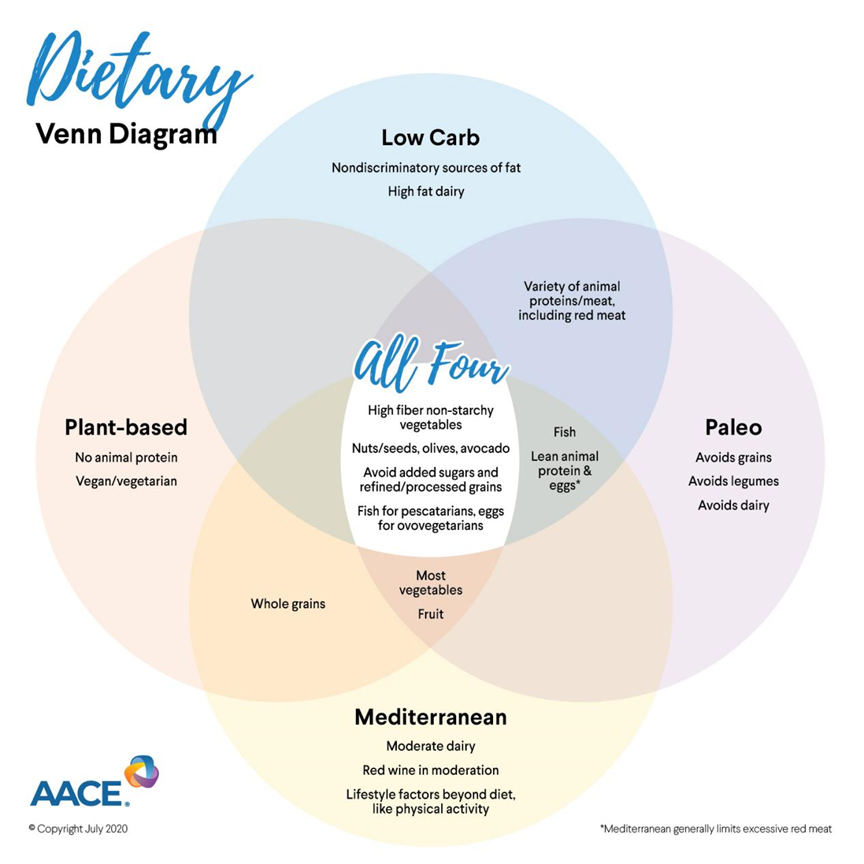
When creating a diet plan for individuals with metabolic syndrome, it's important to incorporate evidence-based principles that can help manage the condition and improve overall health. Here are some evidence-based PRINCIPLES FOR A DIET PLAN in metabolic syndrome:
1. Emphasize whole, nutrient-dense foods: Encourage the consumption of whole grains, fruits, vegetables, lean proteins, and healthy fats. Balancing intake of carbohydrates, proteins, and fats can help stabilize blood sugar levels and manage insulin resistance. Research has shown that these foods can help improve insulin sensitivity, reduce inflammation, and lower the risk of cardiovascular disease, which are all important considerations for individuals with metabolic syndrome.
2. Limit added sugars and refined carbohydrates: Evidence suggests that reducing the intake of added sugars and highly processed carbohydrates can help improve blood sugar control, reduce insulin resistance, and lower triglyceride levels in individuals with metabolic syndrome.
Low-glycemic index foods: Foods with a low glycemic index (GI) release glucose slowly into the bloodstream, preventing spikes in blood sugar levels. Opt for whole grains, legumes, non-starchy vegetables, and low-sugar fruits. Minimize consumption of refined carbohydrates and sugary foods.
3. Focus on healthy fats: Incorporate sources of healthy fats such as avocados, nuts, seeds, and olive oil. Research indicates that these fats can have beneficial effects on blood lipid profiles and may help improve insulin sensitivity in individuals with metabolic syndrome.
4. Monitor portion sizes and calorie intake: Implement portion control strategies to manage calorie intake and promote weight loss if necessary. Consider using smaller plates or bowls to visually control portion sizes. It's also important to pay attention to hunger and fullness cues to avoid overeating. Research has shown that reducing overall calorie consumption can lead to improvements in metabolic parameters such as blood pressure, blood sugar levels, and lipid profiles.
5. Encourage adequate fiber intake: Include plenty of fiber-rich foods such as whole grains, legumes, fruits, and vegetables in the diet. Evidence suggests that dietary fiber can help improve insulin sensitivity, reduce cholesterol levels, and support healthy weight management in individuals with metabolic syndrome.
6. Consider the Mediterranean diet: The Mediterranean diet, which is rich in fruits, vegetables, whole grains, fish, and healthy fats, has been extensively studied and shown to be beneficial for individuals with metabolic syndrome. Research has demonstrated that this eating pattern can improve various metabolic risk factors and reduce the incidence of cardiovascular events.
7. Reduce sodium intake: High sodium intake is associated with increased blood pressure. To manage blood pressure levels, limit processed and packaged foods that are typically high in sodium. Instead, opt for fresh, whole foods and season meals with herbs and spices instead of salt.
8. Individualized approach: Tailor the diet plan to the individual's specific needs, preferences, and cultural background. Working with a registered dietitian or nutritionist can help ensure that the diet plan is personalized and sustainable for long-term adherence.

DESIGNING EFFECTIVE MEAL REPLACEMENT PROGRAMSDesigning an effective meal replacement program involves careful planning and consideration of various factors. Here are some steps to create a successful meal replacement program:
Set clear goals: Determine the specific objectives of the meal replacement program. Whether it's weight management, improving nutrient intake, or convenience, having a clear goal will guide the design process.
Assess individual needs: Consider the individual's dietary requirements, preferences, and any existing health conditions. A one-size-fits-all approach may not be suitable for everyone, so personalization is crucial.
Choose high-quality meal replacements: Select meal replacement products that are nutritionally balanced, convenient, and meet specific dietary needs. Look for options that provide a mix of macronutrients (carbohydrates, proteins, and fats), essential vitamins, and minerals.
Provide variety: Offer a range of flavors and options to cater to different tastes. This will help participants stick to the program and prevent monotony.
Educate and provide guidance: Offer educational materials and resources to explain the program's purpose, benefits, and guidelines. Provide instructions on proper use, portion control, and incorporating healthy eating habits outside of the meal replacements.
Monitor progress and provide support: Regularly track participants' progress and offer support throughout the program. This may involve check-ins.
Transition to long-term habits: Gradually transition participants to sustainable, long-term eating habits. Teach them how to incorporate nutritious whole foods and make healthier choices. Meal replacement programs should be used as a short-term solution or as part of a comprehensive weight management plan. It's important to encourage whole, nutrient-dense foods to support long-term health and well-being.
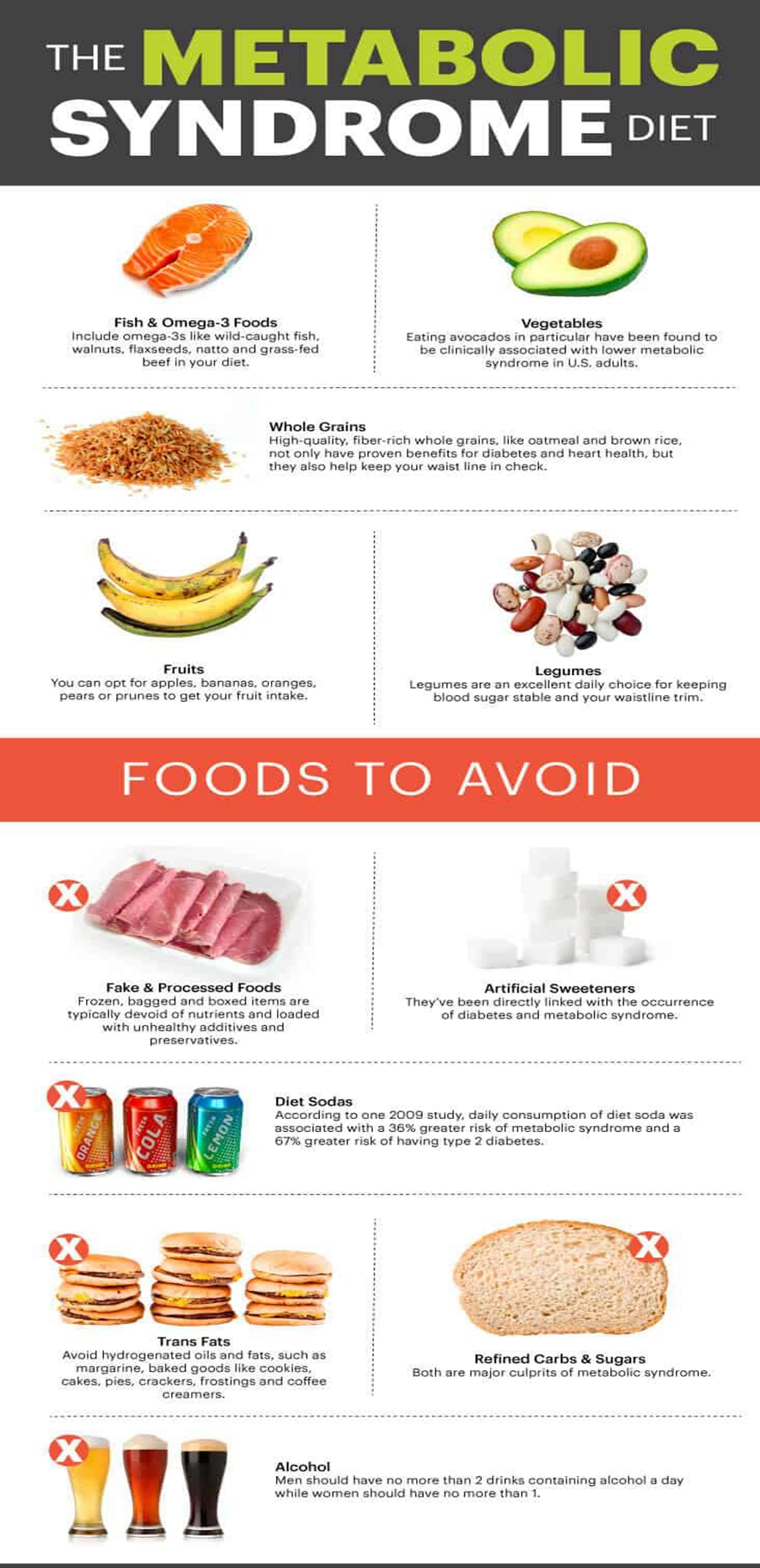
Convenient & on the run:
Customers appear to be pressed for time, especially during lunch or breakfast. Therefore, food scientists and producers have created whole meals that don't need to be prepared at home or purchased from a restaurant. Furthermore, it takes less than two minutes to shake a meal. Customers can take it with them anywhere—hiking, vacationing, the gym—and it doesn't need to be cleaned very often. In addition, it makes it easier to monitor calories than when preparing low-calorie
Customers can rotate through a variety of flavours and tastes with meal replacement, depending on the brand and type of packaged foods that are offered.
Better nutrition:
Meal replacements frequently have carefully selected components with proportions of macro and micronutrients that are balanced. Most of the time, even well-prepared meals from home could not be healthily balanced. Whole foods make it very easy to stick to vegan, keto, and paleo diets. It has been demonstrated that using meal replacements high in protein helps people lose weight while maintaining a lean body mass.

Developing personalized diet plans for individuals with metabolic syndrome involves taking into account their specific health status, dietary preferences, cultural background, and lifestyle factors. Here are some key steps to consider when creating a personalized diet plan for someone with metabolic syndrome:
1. Comprehensive Assessment: Conduct a thorough assessment of the individual's current health status, including their weight, blood pressure, blood sugar levels, lipid profile, and any other relevant medical conditions. Consider any medications they may be taking and their overall dietary habits.
2. Set Realistic Goals: Work with the individual to establish realistic and achievable goals related to weight management, blood sugar control, blood pressure regulation, and lipid profile improvement. These goals should be specific, measurable, attainable, relevant, and time-bound (SMART).
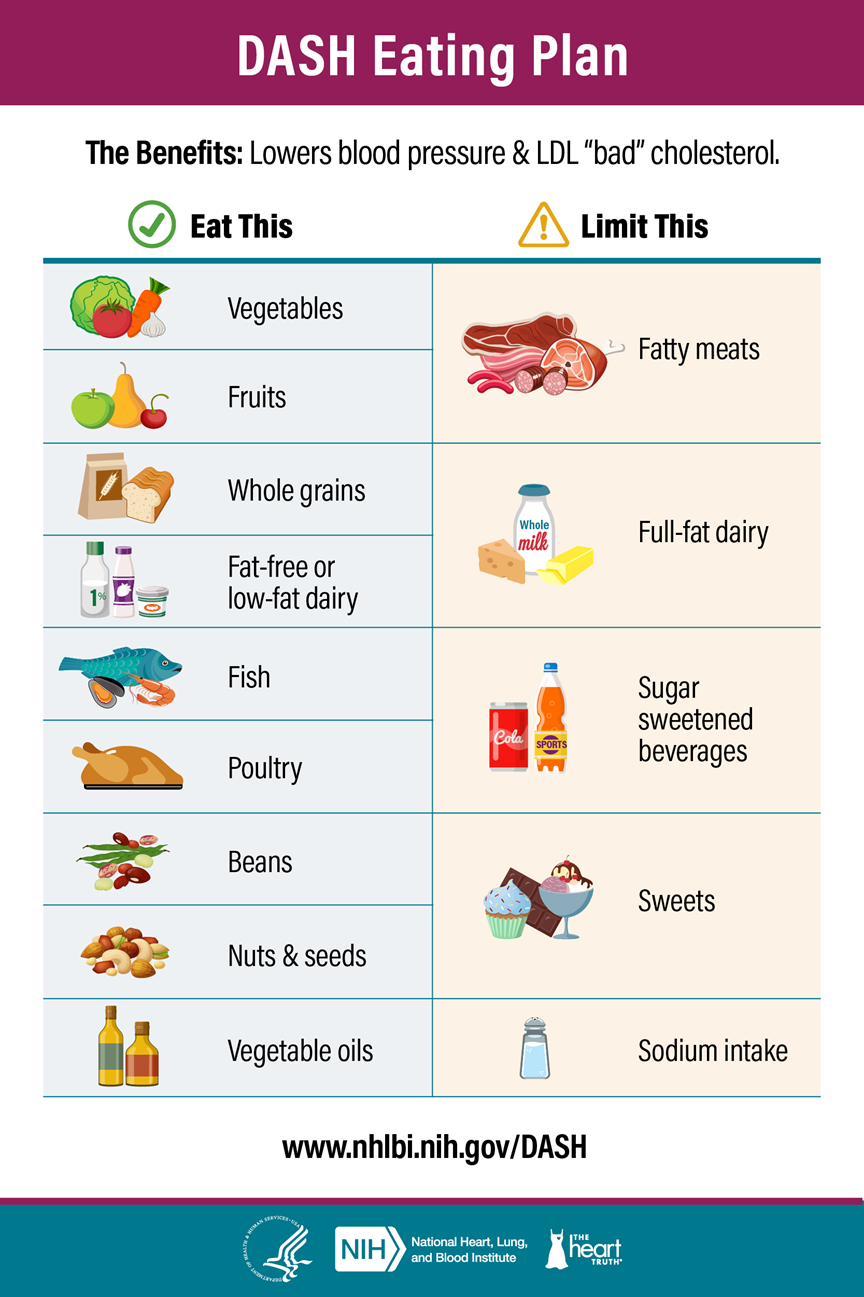
3. Dietary Preferences: Take into account the individual's food preferences, cultural background, and cooking skills. Encourage open communication to understand their likes and dislikes when it comes to food choices.
4. Individual Macronutrient Needs: Consider the individual's specific macronutrient needs based on their health status and metabolic profile. Some individuals may benefit from a higher protein intake, while others may require more emphasis on healthy fats or complex carbohydrates.
5. Portion Control and Caloric Intake: Develop portion control strategies and provide guidance on managing overall caloric intake based on the individual's energy needs and weight management goals.

6. Nutrient-Dense Foods: Emphasize the consumption of nutrient-dense foods such as fruits, vegetables, whole grains, lean proteins, and healthy fats to ensure that the individual receives essential vitamins, minerals, and antioxidants.
7. Meal Planning and Recipes: Provide practical meal planning tips and healthy recipes that align with the individual's dietary preferences and cultural background. Consider creating a variety of meal options to maintain interest and adherence.
8. Education and Support: Offer education on the impact of different foods on metabolic health and provide ongoing support to help the individual make sustainable dietary changes.
9. Regular Monitoring and Adjustments: Regularly monitor the individual's progress through follow-up appointments and assessments. Adjust the diet plan as needed based on their response to dietary changes and any evolving health considerations.
10. Collaborate with Healthcare Team: Work collaboratively with the individual's healthcare team, including physicians, registered dietitians, and other healthcare professionals, to ensure a coordinated approach to managing metabolic syndrome through dietary interventions. By taking a personalized approach that considers the unique needs and circumstances of each individual with metabolic syndrome, it is possible to develop a tailored diet plan that supports their overall health and well-being.
Lesson 7. Evidence-based Dietary Interventions
After this lesson you will be able to:- Review current research on dietary interventions in metabolic syndrome
- Case studies and practical applications
- "Evidence-based dietary interventions" refer to dietary recommendations or strategies that are supported by scientific evidence and research. These interventions are grounded in studies and data that demonstrate the effectiveness and benefits of specific dietary approaches for various health outcomes. Here are some examples of evidence-based dietary interventions:Mediterranean Diet:
Numerous studies have suggested that adherence to a Mediterranean-style diet, which emphasizes fruits, vegetables, whole grains, nuts, seeds, and olive oil, may help improve metabolic syndrome components.
DASH Diet (Dietary Approaches to Stop Hypertension):The DASH diet emphasizes the consumption of fruits, vegetables, low-fat dairy products, and whole grains while reducing sodium intake. It has been associated with improvements in blood pressure and other metabolic parameters.
Plant-Based Diets:Research supports the health benefits of plant-based diets, which focus on whole, plant-derived foods and limit or exclude animal products. Plant-based diets have been associated with lower risks of cardiovascular diseases, diabetes, and certain cancers.
 Low-Carbohydrate Diets:
Some studies suggest that low-carbohydrate diets may be effective for weight loss and improving metabolic markers. However, the long-term effects and potential risks need further investigation.
Probiotics and Prebiotics:Interventions involving probiotics (beneficial bacteria) and prebiotics (substances that promote the growth of beneficial bacteria) have been studied for their potential impact on gut health and the immune system.
It's essential to note that individual responses to dietary interventions may vary, and recommendations should be personalized based on factors such as age, health status, and specific goals. Consulting with healthcare professionals or registered dietitians can help individuals make informed decisions about incorporating evidence-based dietary interventions into their lifestyle.
Omega-3 Fatty Acids:Omega-3 fatty acids, found in fatty fish and certain plant sources, have been studied for their potential benefits in managing metabolic syndrome, including improvements in lipid profiles and inflammation.
It's crucial to note that individual responses to dietary interventions can vary, and the effectiveness of these approaches may depend on factors such as the specific components of the metabolic syndrome and individual health status. Additionally, ongoing research may provide further insights into the most effective dietary strategies for managing metabolic syndrome. Always consult with healthcare professionals or registered dietitians for personalized advice based on the latest evidence.

Metabolic syndrome is a cluster of conditions that include elevated blood pressure, high blood sugar levels, abdominal obesity, and abnormal lipid levels. Lifestyle modifications, including dietary interventions, are often recommended to manage metabolic syndrome. Here are some dietary approaches that have been shown in research:
https://www.ncbi.nlm.nih.gov/pmc/articles/PMC7600579/
https://www.eatingwell.com/article/8072774/best-breakfast-for-metabolic-syndrome/
https://www.ncbi.nlm.nih.gov/pmc/articles/PMC5288891/
Lesson 8. Dietary Supplements and Functional Foods
Aim of the course topic:- To critically examine the role, efficacy, safety, and regulation of dietary supplements and functional foods in enhancing health and preventing nutrition-related diseases.
After this lesson you will be able to:- Explain the Role of supplements and functional foods
- Make safe and effective use in metabolic syndrome
Students will be able to:- Understand Dietary Supplements and Functional Foods in the Context of Metabolic Syndrome: Gain a clear understanding of dietary supplements and functional foods, with a specific focus on their roles, benefits, and limitations in the context of preventing and managing metabolic syndrome.
- Evaluate the Role of These Products in Modulating Risk Factors of Metabolic Syndrome: Assess how certain dietary supplements and functional foods can influence the key components of metabolic syndrome, such as insulin resistance, abdominal obesity, dyslipidemia, and hypertension. The safe and effective use of supplements and functional foods in the management of metabolic syndrome involves a careful, evidence-based approach. Metabolic syndrome is a cluster of conditions including increased blood pressure, high blood sugar, excess body fat around the waist, and abnormal cholesterol or triglyceride levels, which increase the risk of heart disease, stroke, and type 2 diabetes.
- Apply Dietary Supplements and Functional Foods to Metabolic Syndrome patients: Applying dietary supplements and functional foods as part of the management strategy for patients with metabolic syndrome involves a nuanced approach, taking into account the individual’s specific health needs and conditions. Metabolic syndrome is a cluster of conditions that increase the risk of heart disease, stroke, and type 2 diabetes, including high blood pressure, high blood sugar, excess body fat around the waist, and abnormal cholesterol or triglyceride levels.
- Navigate Regulatory, Safety, and Efficacy Aspects Specific to Metabolic Syndrome: Understand the regulatory and safety considerations of using dietary supplements and functional foods in individuals with metabolic syndrome, including potential interactions with medications and other treatments.
3 hours and 30 minutes are allocated to attend this lesson, to familiarize yourself with the content, and complete assignments, 1.30 hours of which are allocated for self-preparation.Dietary supplements and functional foods are two important categories in the field of nutrition and health. Here's a general overview of each:
Dietary Supplements:
Dietary supplements are products intended to supplement the diet. They can include vitamins, minerals, herbs, amino acids, enzymes, and other substances. They are usually available in the form of pills, capsules, powders, gels, extracts, or liquids. Supplements are used to ensure adequate intake of essential nutrients, to improve nutritional status, and sometimes to support specific health functions or reduce the risk of diseases. For example, calcium and vitamin D supplements may be taken to support bone health. In many countries, including the United States, dietary supplements are not regulated as strictly as pharmaceutical drugs. The U.S. Food and Drug Administration (FDA) does not approve dietary supplements for safety or effectiveness before they are marketed. However, manufacturers are responsible for ensuring their products are safe and their label claims are truthful and not misleading. The safety and efficacy of dietary supplements can vary widely. Some are well-supported by research, while others may lack scientific evidence. It's important for consumers to consult healthcare professionals before starting any supplement, especially if they are pregnant, nursing, have a chronic illness, or are taking medication.
Functional Foods: Functional foods are foods that have a potentially positive effect on health beyond basic nutrition. They can be conventional foods, modified foods (fortified, enriched, or enhanced), or new products created for specific health benefits. Examples of functional foods include oatmeal because of its soluble fiber that can help lower cholesterol levels, and orange juice fortified with calcium for bone health. Functional foods often come with health claims. For instance, a product might claim to boost immunity or improve heart health. These claims are usually regulated by government bodies to ensure they are backed by scientific evidence. There is growing consumer interest in functional foods due to an increased focus on health and wellness. People are more aware of the relationship between diet and health, and are looking for ways to improve their health through food choices. The field of functional foods is rapidly evolving, with ongoing research into how various foods and their components contribute to health. This is a dynamic area of nutrition science, with new discoveries and developments occurring regularly. This section likely explores how dietary supplements and functional foods contribute to nutrition and overall health. Dietary supplements can include vitamins, minerals, herbs, and other substances meant to enhance the diet, while functional foods are foods that have a potentially positive effect on health beyond basic nutrition. Metabolic syndrome is a cluster of conditions that increase the risk of heart disease, stroke, and diabetes. This part of the lesson probably focuses on how dietary supplements and functional foods can be used safely and effectively as part of a treatment plan for metabolic syndrome. It might include discussions on which supplements and foods are beneficial, how to use them correctly, and the importance of balancing them with traditional medical treatments.
Hydration is crucial for overall health and can play a significant role in managing metabolic syndrome. This section likely emphasizes the importance of adequate fluid intake, possibly discussing the roles of different types of beverages and the impact of hydration on metabolic processes.
Hydration plays a critical role in the management and potential alleviation of metabolic syndrome, a cluster of conditions that increase the risk of heart disease, stroke, and type 2 diabetes. These conditions include increased blood pressure, high blood sugar, excess body fat around the waist, and abnormal cholesterol or triglyceride levels. Adequate hydration helps maintain normal blood glucose levels. Dehydration can cause hormones like cortisol and adrenaline to rise, which in turn can raise blood sugar levels, a key concern in metabolic syndrome. Proper hydration aids in maintaining a healthy blood volume, which is crucial for normal blood pressure. Dehydration can lead to increased blood pressure, exacerbating one of the risk factors of metabolic syndrome. Drinking enough water can aid in weight loss and weight management, which is a significant aspect of managing metabolic syndrome. Water can increase satiety and boost metabolic rate, which may help reduce excess body fat. Adequate hydration is essential for kidney health. The kidneys play a vital role in filtering waste and excess nutrients from the blood. Metabolic syndrome can increase the risk of kidney issues, and staying well-hydrated helps the kidneys function efficiently. While the direct relationship between hydration and cholesterol levels is not as clear, overall good health practices, including proper hydration, contribute to a healthier lipid profile. This is particularly important in managing the dyslipidemia often associated with metabolic syndrome. Hydration is crucial for muscle function and overall physical performance. Regular physical activity is recommended for managing metabolic syndrome, and adequate hydration is necessary to maintain this activity. Sometimes, the body can mistake signs of dehydration for hunger, leading to overeating, which can exacerbate metabolic syndrome. Drinking enough water can help prevent this misinterpretation. Water is essential for numerous metabolic processes in the body. Adequate hydration ensures these processes, including thermoregulation and the transportation of nutrients, work optimally.
Please whach the lecture to gain more understanding on Dietary Supplements and Functional Foods
by ITLS academy
reading materials on the topic of the lesson
-Book: Dietary supplements, functional and super foods Science, regulations
-Dietary_Supplements_and_Functional_Foods
-Nutraceuticals, Functional Foods and Dietary Supplements in
A_Journey_through_the_Early_Evidence_Linking_Hydration
- Title: The Impact of Dietary Supplements and Functional Foods on Managing Metabolic Syndrome: A Case Study
Dear students!
Deadline: Submission date until xx.XX.XXXX.
Respond: Please, read the case of the patient in the case study below and submit your work as an assignment here in this activity.Grading: 0-49 points - unsatisfactory, 50-69 points - satisfactory, 70-89 - good, 90-100 - excellent.
Case Study and TaskJohn Doe, a 45-year-old software developer, had always been the kind of person who lived in the moment. His life was a whirlwind of long work hours, fast food, and little to no exercise. It wasn't until a routine check-up that he received the wake-up call he never expected: he was diagnosed with metabolic syndrome. The words echoed in his mind – increased blood pressure, high blood sugar, excess body fat around the waist, abnormal cholesterol levels – each one a ticking time bomb for heart disease, stroke, or type 2 diabetes.
Background: Metabolic syndrome is a cluster of conditions that increase the risk of heart disease, stroke, and type 2 diabetes. These conditions include increased blood pressure, high blood sugar, excess body fat around the waist, and abnormal cholesterol or triglyceride levels. This case study explores the effectiveness of incorporating specific dietary supplements and functional foods into the lifestyle of a patient diagnosed with metabolic syndrome.
Task: Develop a comprehensive, personalized nutritional intervention plan for a hypothetical patient diagnosed with metabolic syndrome. This plan should incorporate specific dietary supplements and functional foods aimed at mitigating the risk factors associated with metabolic syndrome.
Patient Profile:
- Name: John Doe
- Age: 45 years
- Gender: Male
- Medical History: Diagnosed with metabolic syndrome, characterized by hypertension, elevated fasting glucose levels, and high triglycerides.
- Lifestyle: Sedentary, high-stress job, diet high in processed foods.
Intervention:
Dietary Supplements: (Not provided for students/studnets have to make their own dietary supplements for this case)
-
-
-
-
Functional Foods: (Not provided for students/studnets have to make their own list of functional foods for this case)
-
-
-
-
Duration of the Study: 6 months
Monitoring Parameters:
- Blood pressure
- Fasting blood sugar levels
- Lipid profile (including LDL, HDL, and triglycerides)
- Body mass index (BMI)
Results: After 6 months of intervention, John showed the following improvements:
- Blood Pressure: Reduced from 140/90 mmHg to 130/85 mmHg.
- Fasting Blood Sugar: Decreased from 110 mg/dL to 95 mg/dL.
- Lipid Profile: LDL cholesterol decreased, HDL cholesterol increased, and triglycerides levels significantly lowered.
- BMI: Reduced from 30 to 27.5.
Discussion: The integration of specific dietary supplements and functional foods into John’s routine showed a positive impact on managing his metabolic syndrome. Omega-3 supplements, magnesium, and fiber contributed to improved lipid profile and blood sugar levels. The inclusion of functional foods like oats, almonds, blueberries, and fatty fish not only provided essential nutrients but also enhanced the overall dietary pattern, leading to better health outcomes.
Conclusion: This case study demonstrates that strategic use of dietary supplements and functional foods can be an effective adjunct to traditional lifestyle interventions in managing metabolic syndrome. However, it's crucial to tailor these interventions to individual needs and to monitor health parameters closely.
Recommendations: (Students have to give recomendations)
1...
2...
3...
Lesson 9. Behavioral Change and Lifestyle Interventions
Course Aim:To provide comprehensive insights into the impact of behavioral change and lifestyle interventions on the prevention and management of metabolic syndrome, emphasizing the development of practical strategies for effective lifestyle modification.After this lesson you will be able to:- Discuss strategies for promoting behavioral change in dietary habits
- Integrate physical activity with nutritional interventions
Students will be able to:1. Understand the Principles of Behavioral Change in Dietary Habits:- Grasp the basic concepts of behavioral change theories as they apply to dietary habits.
- Identify key factors that influence dietary behaviors.
- Explore different strategies and techniques for encouraging healthier dietary choices.
- Discuss how to tailor these strategies to individual needs and contexts.
- Understand the synergistic relationship between physical activity and nutrition.
- Learn how to create integrated plans that combine exercise and dietary modifications.
- Learn techniques for breaking down complex nutritional information into understandable and actionable advice.
- Practice creating patient-friendly materials that effectively communicate key information and instructions.
- Use case studies or scenarios to apply learned strategies in promoting dietary changes and integrating physical activity.
- Develop intervention plans for hypothetical patients, incorporating both dietary and physical activity elements.
- Learn methods for assessing the effectiveness of dietary and physical activity interventions.
- Discuss how to adjust strategies based on feedback and outcomes.
By achieving these objectives, students will be equipped with the knowledge and skills to effectively promote behavioral changes in dietary habits and integrate physical activity into nutritional interventions. They will also learn how to simplify and communicate complex information to patients, enhancing their ability to make informed health decisions.
"Behavioral Change and Lifestyle Interventions" is a significant area in health promotion and disease prevention, particularly relevant in the context of chronic diseases such as metabolic syndrome. This field focuses on modifying individual behaviors and lifestyle choices to improve health outcomes. Here's a general overview
-
- Behavioral Change refers to efforts aimed at altering individuals' habits and behaviors in areas such as diet, physical activity, smoking, and alcohol consumption.
- Lifestyle Interventions involve a broader scope, including not only behavior modification but also environmental and psychological factors that support these changes.
-
Importance in Metabolic Syndrome:
- Metabolic syndrome, characterized by a cluster of conditions like high blood pressure, high blood sugar, excess body fat around the waist, and abnormal cholesterol levels, is significantly influenced by lifestyle choices.
- Modifications in diet, exercise, and other lifestyle areas can effectively manage, and in some cases, reverse the symptoms of metabolic syndrome.
-
Strategies for Behavioral Change:
- Common strategies include education and awareness, setting realistic and achievable goals, self-monitoring, and developing coping strategies to deal with setbacks.
- Behavioral change models, such as the Stages of Change Model and the Health Belief Model, are often used to understand and guide interventions.
-
Components of Lifestyle Interventions:
- Dietary Changes: Emphasizing a balanced diet, often based on reducing processed foods, increasing fruits and vegetables, and controlling portion sizes.
- Increased Physical Activity: Encouraging regular exercise tailored to the individual's ability and preferences.
- Stress Management: Techniques like meditation, yoga, and cognitive-behavioral strategies to manage stress.
- Sleep Hygiene: Ensuring adequate and quality sleep, as poor sleep patterns can exacerbate metabolic syndrome.
-
Challenges and Considerations:
- Behavioral and lifestyle changes require sustained effort and motivation. Relapse is common, and strategies must account for long-term adherence.
- Interventions need to be personalized, considering the individual's environment, socio-economic status, cultural background, and personal preferences.
-
Impact and Outcomes:
- Effective interventions can lead to improved blood pressure, cholesterol levels, weight loss, enhanced insulin sensitivity, and overall reduced risk of developing chronic diseases.
- They also promote overall well-being, mental health, and quality of life.
Poor nutrition fundamentally stems from human behavior, and its improvement hinges on widespread behavioral transformations among people and organizations globally. The effective management of malnutrition involves addressing behaviors at both individual and household levels. However, it's also shaped by a wider array of stakeholders, including healthcare providers, educators, agricultural professionals, community and religious leaders, private sector entities, and policymakers. These groups have a collective impact on aspects like care and feeding practices, household food security, living conditions, and healthcare services.
There is evidence to suggest that behavioral changes can lead to better nutrition, particularly in supportive living and working environments. At SPRING, our efforts to combat stunting and anemia are grounded in a behavior-centered approach. This means that we set specific behavior change objectives at the outset of any intervention. In this brief, we share key insights from our experience in social and behavior change (SBC) for nutrition from 2012 to 2017. We aim to assist the nutrition community in progressing further, by driving large-scale change through the empowerment of crucial groups and the development of supportive policies, markets, and societal conditions.
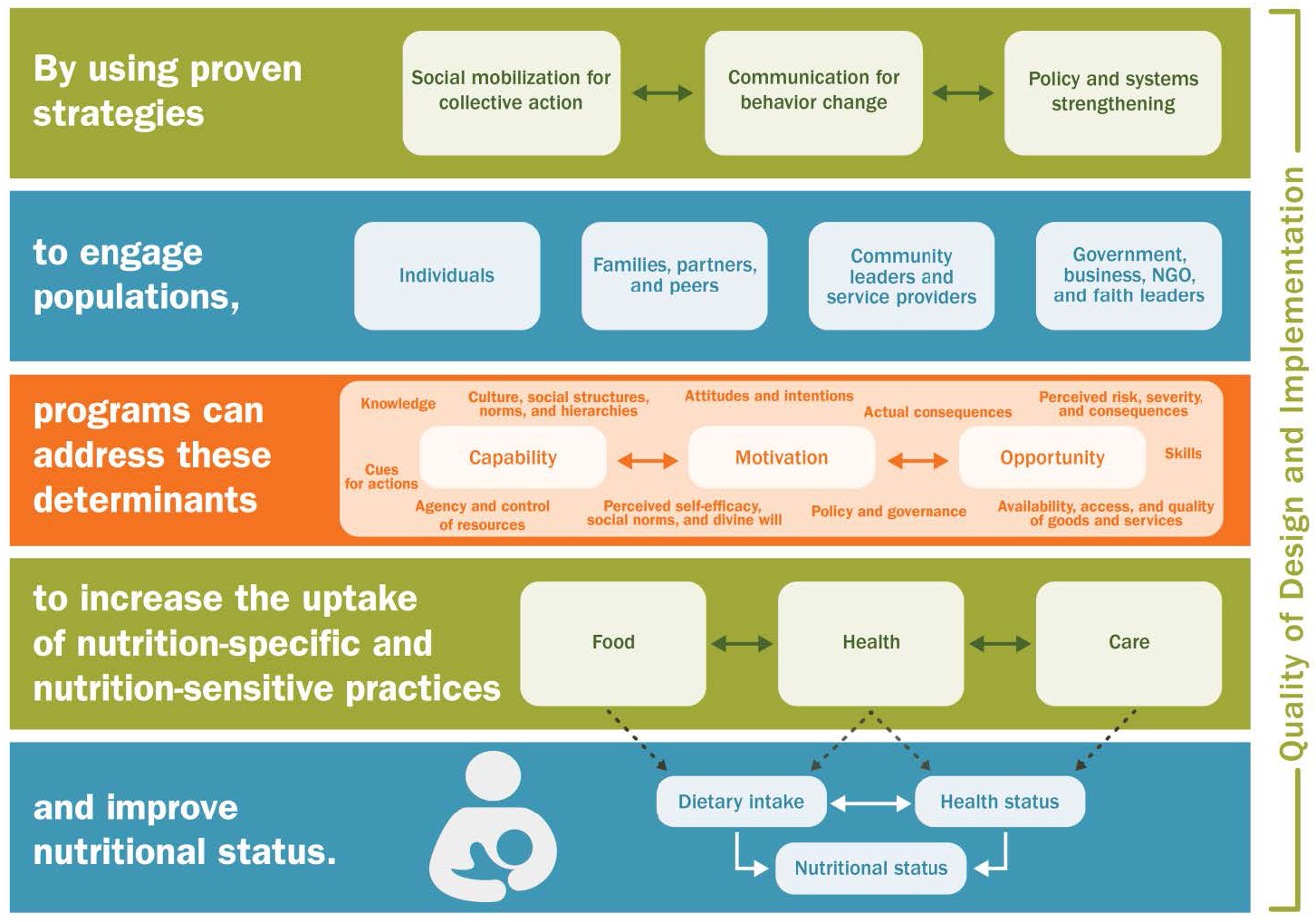
Social and behavior change (SBC) is an approach to programming that applies insight about why people behave the way they do, and how behaviors change within wider social and economic systems, to affect positive outcomes for and by specific groups of people (SPRING 2017). Nutrition SBC aims for social and individual behavior changes that improve nutrition outcomes for priority groups.
Nutrition social and behavior change communication (SBCC) is a set of interventions that combines elements of interpersonal communication, social change and community mobilization activities, mass media, and advocacy to support individuals, families, communities, institutions, and countries to adopt and maintain high-impact nutrition-related practices. Effective nutrition SBCC seeks to increase the factors that encourage these behaviors while reducing the barriers to change (USAID 2017).
Nutrition Social and Behavior Change Framework
- -Integrating physical activity with nutritional interventions
Please follow the link to read the article
Integrating nutrition and physical activity promotion: A scoping review for reading
Integrating nutrition and physical activity promotion: A scoping review
Nutrition and Physical Activity Interventions Provided by Nutrition and Exercise Practitioners for the General Population: An Evidence-Based Practice Guideline From the Academy of Nutrition and Dietetics and American Council on Exercise
A nutritious diet and adequate physical activity vitally contribute to disease prevention, but most adults do not meet population-based dietary and physical activity recommendations. Qualified nutrition and exercise practitioners can address challenges to adopting healthy lifestyle behaviors by providing consistent, individualized, and evidence-based education and programming within their professional scopes of practice to improve client outcomes. The objective of this evidence-based practice guideline is to inform practice decisions for nutrition and exercise practitioners providing nutrition and physical activity interventions for adults who are healthy or have cardiometabolic risk factors, but no diagnosed disease. Evidence from a systematic review was translated to practice recommendations using an evidence-to-decision framework by an interdisciplinary team of nutrition and exercise practitioners and researchers. This evidence-based practice guideline does not provide specific dietary or physical activity recommendations but rather informs nutrition and exercise practitioners how they may utilize existing guidelines for the general population to individualize programming for a range of clients. This evidence-based practice guideline provides widely applicable recommendation statements and a detailed framework to help practitioners implement the recommendations into practice. Common barriers and facilitators encountered when delivering nutrition and physical activity interventions, such as adherence to professional scopes of practice; methods to support behavior change; and methods to support inclusion, diversity, equity, and access, are discussed. Nutrition and exercise practitioners can consistently provide individualized, practical, and evidence-based interventions by seeking to understand their clients’ needs, circumstances, and values and by co-creating interventions with the client and their allied health team.
Please watch the video to build better behavioural techniques1)
2)by MESAU MEPI
-
- Title: Behavioral Change and Lifestyle Interventions in Managing Metabolic Syndrome: A Case Study
Dear students!
Respond: Please, read the case of the patient in the case study below and submit your work as an assignment here in this activity.
Deadline: Submission date until xx.XX.XXXX.
Grading: 0-49 points - unsatisfactory, 50-69 points - satisfactory, 70-89 - good, 90-100 - excellent.Case Study and TasksBackground: Metabolic syndrome is a collection of risk factors — including high blood pressure, high blood sugar, unhealthy cholesterol levels, and abdominal fat — that increase the risk of heart disease, stroke, and diabetes. This case study examines the effectiveness of behavioral change and lifestyle interventions in the management of metabolic syndrome.
Taks:
Develop and evaluate a series of behavioral change and lifestyle interventions for a hypothetical patient with metabolic syndrome. This task focuses on understanding the impact of lifestyle modifications on reducing the risk factors associated with metabolic syndrome.
Patient Profile:
- Name: Jane Smith
- Age: 52
- Gender: Female
- Medical History: Diagnosed with metabolic syndrome, with a specific history of hypertension, type 2 diabetes, and high LDL cholesterol.
- Lifestyle Prior to Intervention: Sedentary lifestyle, high intake of processed foods and sugars, minimal physical activity.
Lesson 10. Practical Application and Project Presentation
After completing this session students will be able to:- Present their dietary plans or interventions
- Reflect on Feedback
- Summarise the course contents
Dietary Plan Evaluation Template
1. Personal Information:
- Name:
- Age:
- Gender:
- Height:
- Weight:
- Health Goals:
- Known Allergies:
- Dietary Restrictions:
2. Nutritional Analysis:
- Total Calories:
- Macronutrients:
- Carbohydrates (%):
- Proteins (%):
- Fats (%):
- Micronutrients:
- Vitamins (list key vitamins):
- Minerals (list key minerals):
- Fiber Intake:
- Sugar Intake:
- Sodium Intake:
3. Meal Composition:
- Breakfast:
- Lunch:
- Dinner:
- Snacks:
- Fluids/Water Intake:
4. Dietary Variety and Balance:
- Food Groups Represented:
- Diversity of Ingredients:
- Balance of Nutrients:
5. Suitability to Health Goals:
- Alignment with Personal Health Goals:
- Support in Disease Management (if applicable):
- Weight Management Compatibility:
6. Practicality and Sustainability:
- Ease of Meal Preparation:
- Availability of Ingredients:
- Cost-Effectiveness:
- Fit with Lifestyle and Preferences:
7. Special Considerations:
- Athletic or Fitness Goals:
- Pregnancy/Nursing:
- Age-Related Nutritional Needs:
- Other Medical Conditions:
8. Methods\approaches used to help manage metabolic syndrome.
- Evidence-based research. Lit review,
8. Recommendations for Improvement:
- Adjustments for Nutritional Balance:
- Suggestions for Variety:
- Lifestyle and Habit Changes:
- Other Personalized Recommendations:
Evaluator’s Remarks: