Topic outline
WELCOME to the Course SPORTS NUTRITION (2 ECTS)
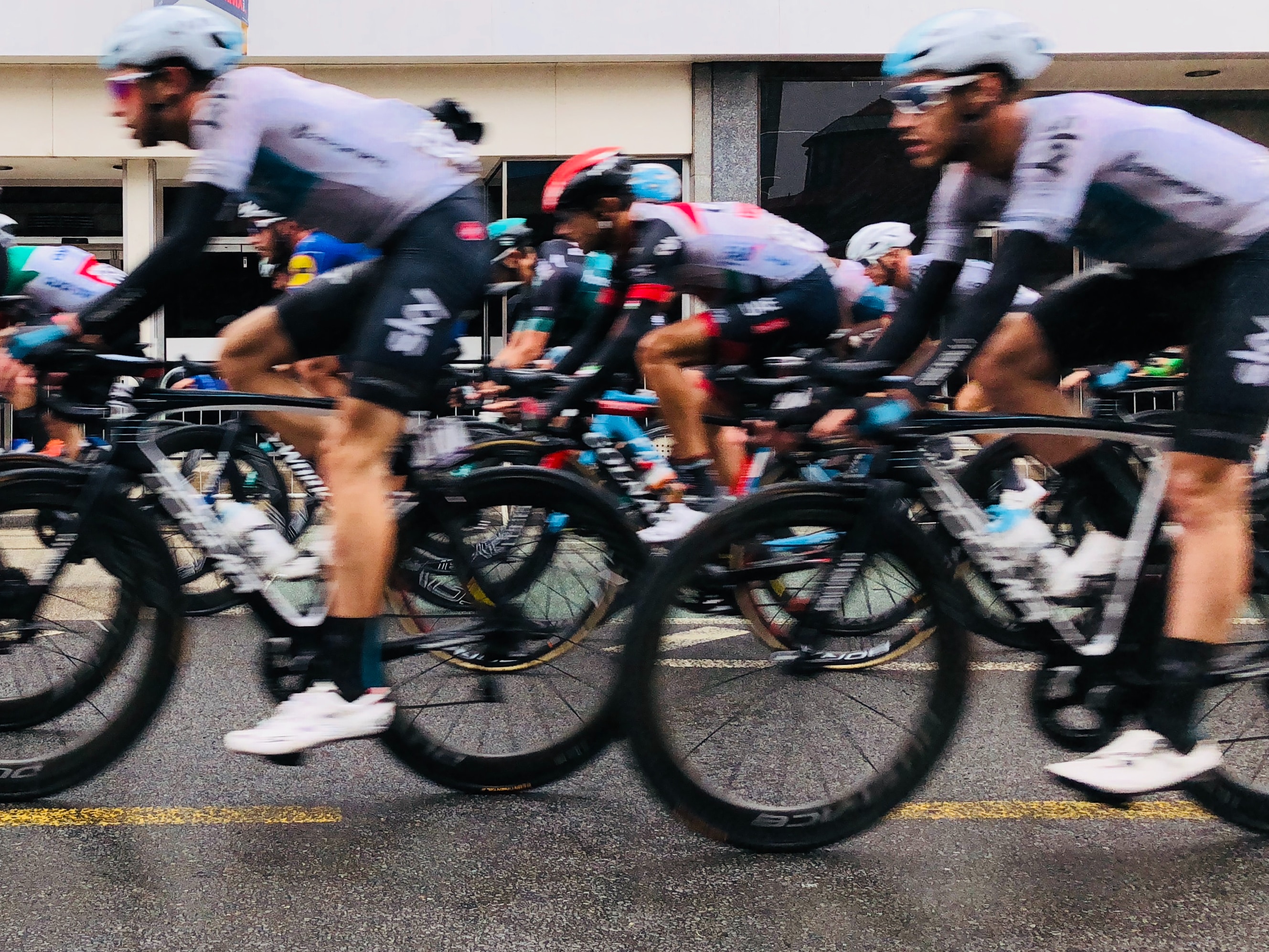
This course presents the scientific basis for sports nutrition emphasizing the energy needs of activity and effect of dietary intake on performance. Special dietary requirements of specific sports and athletic activities will be taught. Emphasis will be placed on the bioenergetics systems, the components of nutrition, nutritional and body composition assessments, ergogenic aids and diet modifications for competitive athletes and people of all ages wishing to incorporate nutrition into a physically active lifestyle.
Goals of the course:
The goal of the course is to obtain the necessary knowledge to determine nutritional support strategies for competitive athletes and people of all ages wishing to incorporate nutrition into a physically active lifestyle.
At the completion of the course, students should be able to:
1. Categorize the role that each of the macronutrients and micronutrients has on physical activity and athletic performance according to the pre/during/post physical activity concept.
2. Examine the impact on physical activity and athletic performance when deficiencies of macronutrients or micronutrients are present
3. Identify accepted techniques for the assessment of body composition and energy balance
4. Examine the prevalence of disordered eating and eating disorders in male and female athletes
5. Categorize the efficacy of commonly used dietary supplements used by athletes to enhance performance
Topic 1: Introduction to Sport Nutrition, sport physiology, exercise biochemistry
Learning Objectives:Define macronutrients (carbohydrates, proteins, and fats) and micronutrients (vitamins and minerals), and explain their distinct roles in maintaining health and supporting physically active individuals and athletes.)
Overall time to be invested by the students 3 hoursDear student!
Please do watch this video.
Topic 2: Nutrition assessment
Learning Objectives:Develop effective dietary strategies tailored to individuals physically active people and athletes.
Assess the importance of body composition and analyze the most common methods of measuring body fat by using Bioimpedance analyzer
Analyze some dietary methods and the different ways to collect and analyze information
Overall time to be invested by the students: 3 hoursWatch this video and know about how to detect BMI.
Topic 3: Carbohydrates, lipids and proteins metabolism
Learning Objectives:Define macronutrients (carbohydrates, proteins, and fats) and micronutrients (vitamins and minerals), and explain their distinct roles in maintaining health and supporting physically active individuals and athletes.
Explain the importance of three phases of sports nutrition: before, during and after exercise.
Assess the protein quality and quantity and the timing of the intake
Dear Student!
PLease do watch the videos below on carbohydrates, lipids and proteins metabolism.
Topic 4: Hydration and thermoregulation
Learning Objectives:Recognize the importance of thermoregulation.
Analyze heat disorders and look at the most common heat disorder treatments.
Define thermo-acclimation in exercise and provide some recommendations for sporting organizations and guidelines for athletes and coaches.
Assess water functions, Hydration and dehydration status.
Overall time to be invested by the students 3 hours.
Topic 5: Sport supplements and ergogenic acids
Learning Objectives:Recognize the importance sports supplements and why they may be used by athletes.
Analyze the mechanism of action of each supplement and look at the recommended doses.
Overall time to be invested by the students: 3 hours.
- Reading materials for topic 5 sport supplements and ergogenic aids File Uploaded 14/12/23, 16:58
Presentation for topic
Watch this video and observe the topic
Topic 6: Performance – enhancing drugs (PEDs) and doping in sport.
Learning Objectives:Define banned-substances in sport.
Assess PEDs components and analyze their components.Overall time to be invested by the students: 3 hours.
Presentation for topic
Topic 7: Nutrition periodization
Learning Objectives:Recognize the critical role nutritional recommendations for recreational people, athletes.
Define nutritional periodization and training cycles.
Analyse the difference between periodized program for a beginner and for an elite athlete, nutritional periodization for weightlifting and strength sports, football and intermittent sports, and multi-stage cycling and endurance sports.
Overall time to be invested by the students: 3 hours.
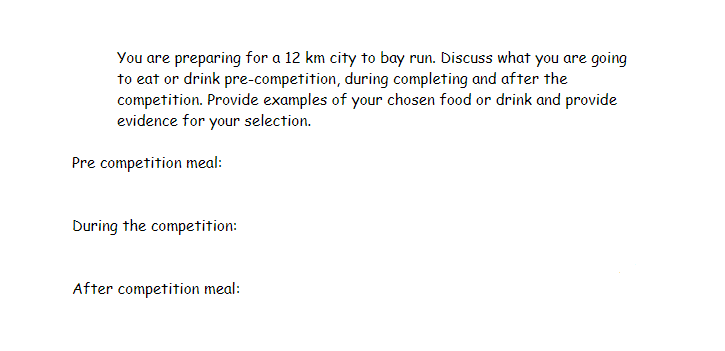
Submit your answers in this assignment!